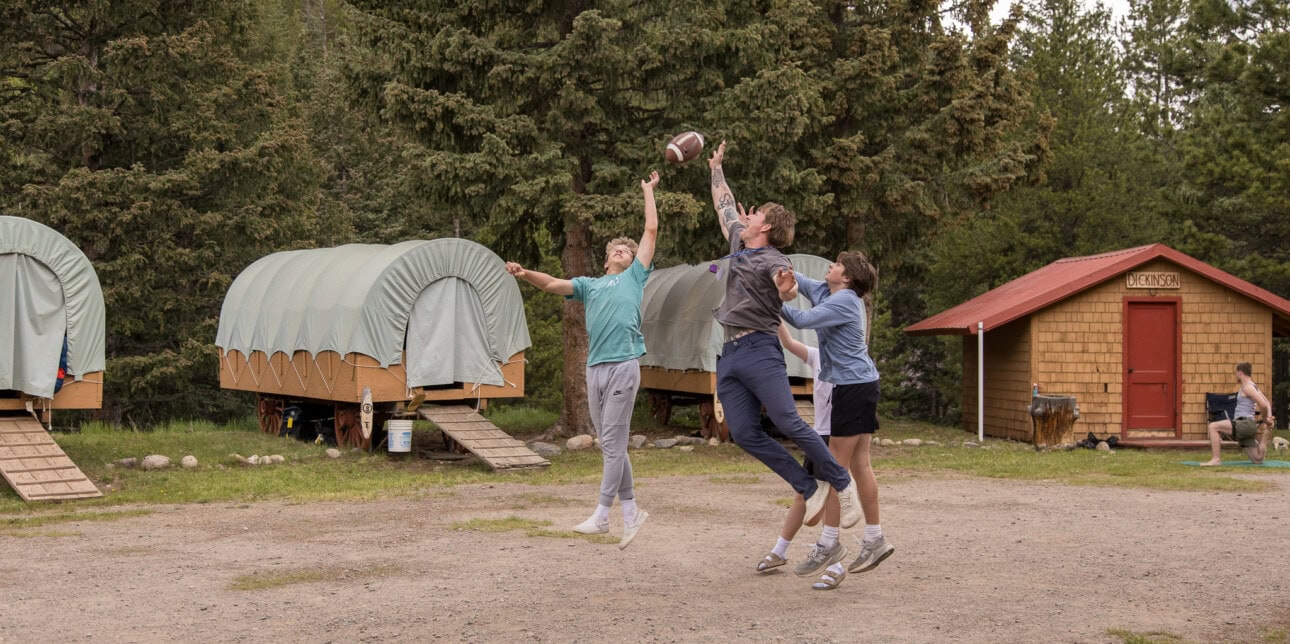
If you’ve spent any time exploring Cheley, you’ve probably seen the word “unit” come up often. While cabins, wagons, and activities are important parts of camp life, units are the primary way camp is organized, and understanding them helps everything else make sense.
So, What Is a Unit?
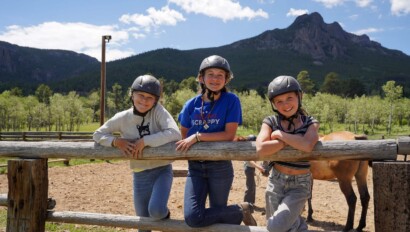
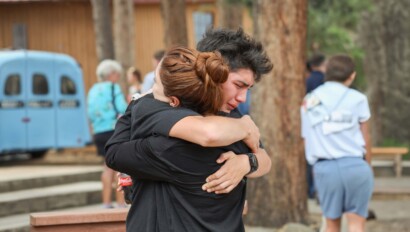
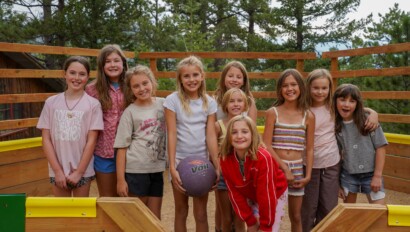
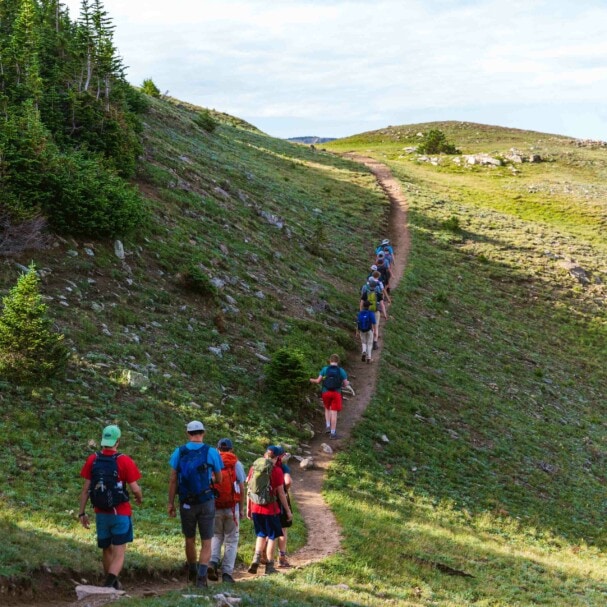
At Cheley, a unit is a group of campers placed together based on age who share a common living area, leadership team, and daily rhythm. Each unit functions as a small community within the larger Cheley Experience, creating consistency, belonging, and structure. Units provide campers with a strong sense of belonging, age-appropriate independence & responsibility, consistent relationships with staff and peers, and a community to return to each day.
Our Units
Our 27-day Summer Camp program is made up of eight units, including:
- Lower Chipeta and Lower Ski Hi, for 9–11 year olds
- Chipeta and Ski Hi, typically for 12 & 13-year-olds
- Senior Chipeta and Haiyaha, for 14–17 year olds
- Girls’ Trail’s End (GTE) and Boys’ Trail’s End (BTE), for 12–17 year olds
Each unit is intentionally designed to meet campers where they are developmentally.
What Happens Within a Unit?
A unit shapes much of a camper’s daily life at Cheley, including:
- Living spaces (cabins or wagons, depending on unit)
- Unit gathering areas, such as lodges and outdoor spaces
- Meals, transitions, and evening programs
- Unit traditions and shared experiences
- Leadership and support from a consistent team of counselors and unit directors
While campers spend much of their day in smaller activity groups, the unit is where they return to rest, reflect, connect, and build community.
Who Leads a Unit?
Each unit is supported by a dedicated leadership team, including:
- A Unit Director and Asst. Directors who oversee the camper experience and unit culture
- A team of counselors (typically 13–15) who live with and care for campers
This structure allows staff to know campers well and support them throughout the session.

Units, Cabins, and Wagons
Units are made up of cabins or wagons, depending on location and age group. Cabins and wagons are where campers sleep and keep personal belongings, but they are part of a larger unit community. Camp life is not centered on staying in a single cabin or wagon. Instead, campers spend their days engaged in activities, meals, and shared spaces with their full unit.
Land O’ Peaks vs. Trail’s End
Cheley units are located at either Land O’ Peaks (LOP) or one of the Trail’s End (TE) camps:
- LOP units are part of a larger, central campus with multiple units nearby
- Trail’s End units are more self-contained and immersed in a quieter, more remote setting
Both offer the same core Cheley Experience, just with different environments and rhythms.
Unit Life and the Larger Camp Community
While much of camp life happens within a camper’s unit, Cheley also brings the larger community together through shared traditions.
- All-camp traditions, such as Chapel at LOP and All-Camp Campfire, bring campers from every unit together and are meaningful touchstones of the Cheley Experience.
- Brother–sister unit traditions, like Play Day and Square Dance, create opportunities for age-paired boys’ and girls’ units to spend time together and build connections across camp.
These moments help campers feel part of something bigger while still having the consistency and belonging of their unit.
In short, a unit is where camp starts to feel like home.