

This summer, we began staff training at Cheley with a 24-hour phone cleanse. Our staff turned off their phones and wrapped them up to remove the temptation to check them. For one day, they experienced a small part of what our campers do for nearly four weeks. For many, it was their favorite part of staff training. Some are already asking for a longer version in 2027.
These are adults who use their phones for all the usual reasons: keeping up with friends, checking messages, taking pictures, and filling a spare minute. Their response reminded us how welcome a break can be, especially when the people around you are taking one, too.
At Cheley, we have a saying: DTRC, or “Disconnect to Really Connect.” Some call it “Disconnect to Reconnect.” It describes something we make room for every summer: conversations that have time to develop, decisions campers can think through themselves, and friendships built by sharing everyday life. Putting phones away helps create those opportunities. Campers have time to settle into a community, turn to the people nearby, and discover that they can work through an uncertain moment with support. For parents, allowing that space can take some getting used to. Our staff’s experience gave us a fresh appreciation for why we ask families to make room for it.

Time to Connect
Camp includes plenty of planned activities, but much of getting to know someone happens in between. A conversation starts while walking back from an activity. Someone tells a story at a meal, and another person remembers something equally funny. A few campers sitting together start a game, debate a question, or make plans for the next day.
A phone can fill any of those moments before they have a chance to become something else. It gives us somewhere to look during an awkward pause and something to do while we wait. It can also let us retreat into a familiar conversation elsewhere rather than begin a new one with the person beside us.
At camp, those pauses are part of learning to be together. Sometimes someone has to introduce themselves or ask to join in. Sometimes a conversation takes a little time to get going. Counselors help campers find their way into the group, and everyone has more chances to participate when their attention stays with the people around them. That shared agreement matters. You can put your own phone away anywhere, but it feels different when the person beside you has put theirs away, too.
Room to Figure It Out
Being without a phone also changes what happens when campers are unsure about something. Sometimes it is a question on the trail. A few people offer answers, compare what they know, and make a case for their best guess. Nobody can immediately look it up or ask ChatGPT to settle it. The question becomes a conversation, and sometimes it stays unanswered for a while.
Other times, it is a decision: which activity to sign up for, how to approach a new friend, or what to do after a disagreement. Outside camp, it is easy to send a message asking, “What should I do?” Often, we can get advice before we have had much time to consider our own answer.
At camp, there is more room to think it through. A camper can decide what interests them, try starting the conversation, or take a little time to cool down before returning to a disagreement. They can try an approach and see what happens. Counselors are there to listen and help. Learning to figure something out includes learning when to ask for support. But support can also mean helping a camper consider their options and choose a next step, rather than immediately supplying the answer.
Those everyday decisions give campers practice trusting their judgment. They discover what they can handle, what they might do differently next time, and how to work through something with another person.
Settling into Camp
Adults sometimes expect campers to spend a phone-free summer wishing they could have their phones back. That generally is not what we see at Cheley. Campers are not spending their days begging for their phones. They are getting involved in activities, building friendships, and becoming part of the daily life of camp.
For some, being without a phone takes getting used to. There may be a habit of reaching for it or wondering what is happening at home. But as camp becomes familiar, there is plenty happening right in front of them. There are people looking for them at a meal, stories to finish telling, and things they want to try tomorrow. Over nearly four weeks, those relationships have time to develop through repeated, ordinary moments together.
Trusting the Experience
Often, the harder adjustment is for parents. A phone offers reassurance: a quick check-in, an answer to a question, or a way for a child to reach home as soon as something feels difficult. Going without that immediate contact asks families to trust both their child and the adults caring for them.
We understand why that can be hard. Parents want to know that someone will notice if their child is struggling and that their child will feel comfortable asking for help. Our responsibility is to build those relationships, pay attention, and respond.
At the same time, a difficult moment needs room to unfold. A camper who feels homesick may need a counselor to sit with them, listen, and help them take the next step into their day. A friendship problem may need a conversation with the people involved. An uncertain camper may need a little encouragement to try.
Being able to contact home immediately can pull a camper away from that process before they discover what might help. Having support nearby gives them a chance to work through the moment and find their footing where they are.
Families remain an important part of the experience. Letters, weekly counselor reports, and communication with our team help keep that connection. If something concerns you, we want to hear from you.

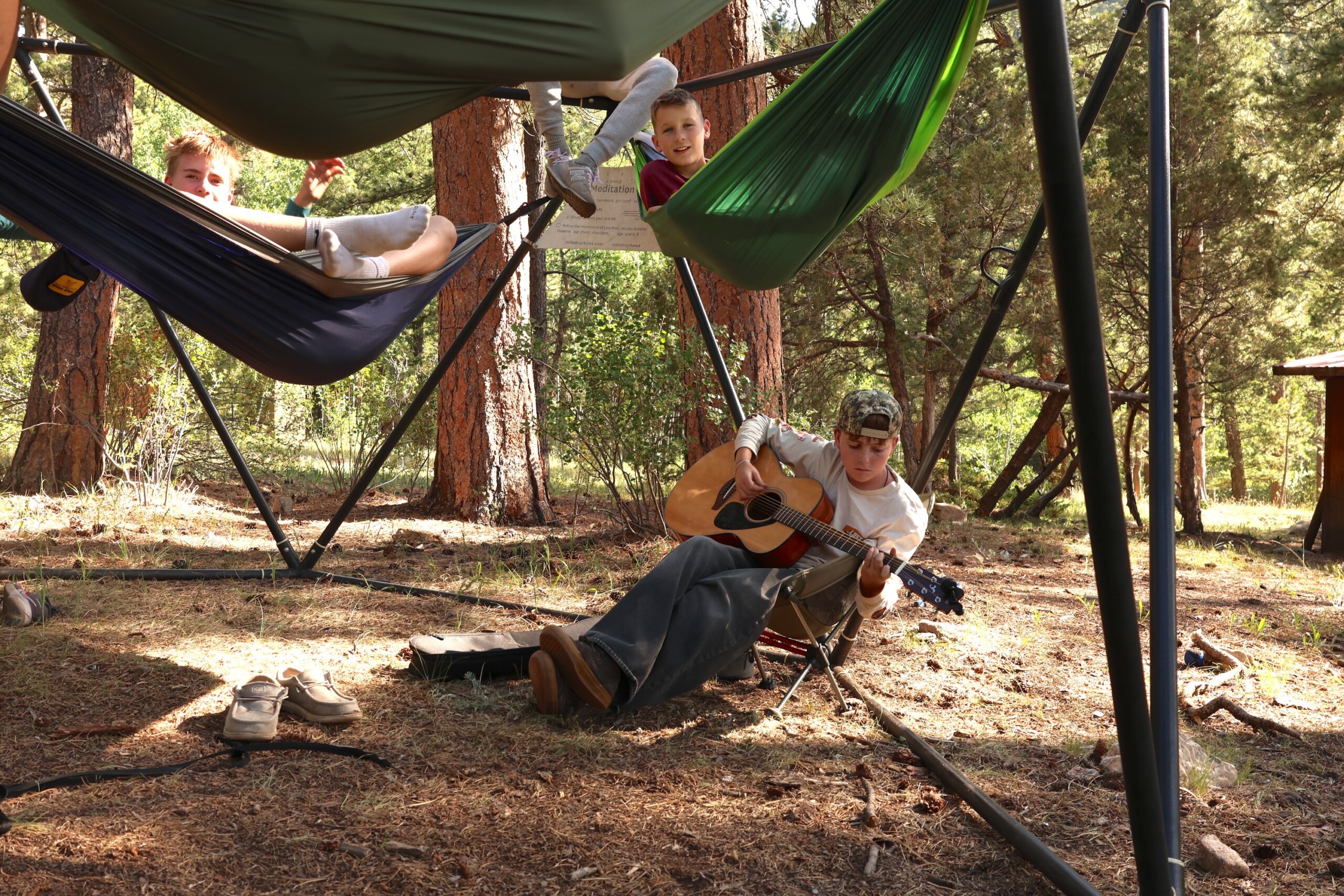
Disconnect to Really Connect
Our staff’s 24-hour phone cleanse reminded us how much we can value time unplugged once we give ourselves the chance to experience it. Many wanted to keep going. They had enjoyed a day without the temptation to check a message or fill every pause, and with more attention to give one another.
During the school year, phones serve plenty of useful purposes. Families coordinate schedules, friends stay in touch, and schoolwork often happens on a screen. Still, there is room to put phones away together: during a meal, on a walk, or for an afternoon with friends. It gives a conversation time to wander and a person time to think before reaching for an answer.
At Cheley, campers get nearly four weeks to settle into that way of being together. Our staff started with one day. Their request for more is a good reason to make the time. DTRC is a short way of saying it.