For many families, summer camp decisions begin long before summer. As fall gets underway, camps begin opening enrollment, families start researching options, and questions about next summer become a little more immediate. If you are just beginning that process, it can be tempting to start with camp websites, activity lists, locations, and recommendations from friends. Those things matter. But there is a more useful place to begin:
What do you hope your child gets from the experience?
There is no single “best” summer camp. There is a camp that fits your child, your family, their readiness, and what you hope they will experience. Getting clear about those things first makes everything that follows easier.
Start With the Experience, Not the Camp Name
Before comparing camps, think about your child at the end of next summer. Maybe you hope they have had opportunities to become a little more independent. Maybe you want them to practice navigating friendships without a parent nearby, try things that make them nervous, spend meaningful time outdoors, or discover that they can handle more responsibility than they realized. Those goals give you a much better lens for evaluating camps than simply asking which one has the longest activity list.
Camp can create unusual opportunities for this kind of practice. Children make choices throughout the day, live and work within a community, manage their belongings, solve disagreements with peers, adapt when plans change, and try activities where success isn’t guaranteed. Adults are there to guide and support them, but they don’t have to solve every problem first.
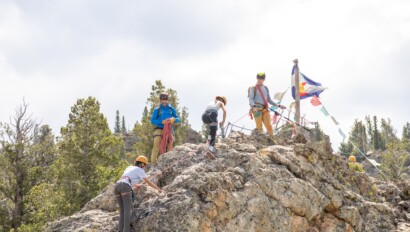
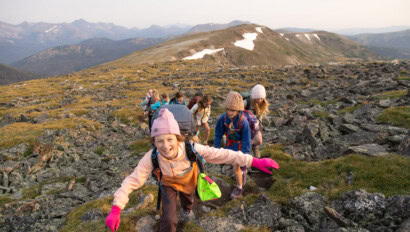
At Cheley, for example, campers choose activities, contribute to cabin or wagon life, spend extended time away from home, navigate a community of peers, and take on challenges ranging from everyday responsibilities to outdoor adventures. Those experiences provide opportunities to practice independence and confidence rather than simply talking about them.
Think About the Right Amount of Stretch
A good fit does not necessarily mean choosing the environment that will feel easiest to your child. Ask three questions:
- What excites my child?
- What would stretch them?
- What feels intimidating in a healthy, manageable way?
The answers will be different for every camper. For one child, attending overnight camp without a close friend may be a meaningful step toward independence. For another, going with one familiar friend may provide enough comfort to help them engage with a new community. A longer session may give one camper time to settle in and develop deeper relationships, while another child may not yet be ready for that length of time.
The goal isn’t maximum discomfort. It is finding an experience where a child can venture beyond what is familiar while still having meaningful support around them.
Understand What Kind of Camp You Are Choosing
“Summer camp” describes many very different experiences. There are day camps and overnight camps, short sessions and multi-week programs, highly specialized camps and traditional camps, competitive and noncompetitive environments, religious and nonreligious programs, and camps with very different approaches to structure and camper choice. Rather than treating those differences as better or worse, ask how each one connects to what you want for your child.
If developing independence is important, for example, consider how much of the experience children navigate away from home and how long they have to settle into that environment. If community is important, ask how campers spend time together beyond scheduled activities. If you want your child to practice making choices, learn how much ownership campers have over their days. The activities tell you what campers can do. The structure often tells you much more about what it feels like to be a camper there.
Look Beyond the Activity List
Horseback riding, backpacking, crafts, climbing, sports, and other programs are easy to compare because they appear prominently on websites. Some of the most important differences between camps are harder to see. Pay attention to how a camp describes its mission and values. Then ask how those ideas actually appear in daily life.
What traditions reinforce them? What responsibilities do campers have? How are expectations communicated? What happens when campers struggle? How does the camp approach friendship issues, homesickness, or conflict? How much independence are children given, and where do adults step in?
At Cheley, traditions and everyday rhythms are part of how the community works. Campers contribute through unit chores, gather for Campfire, make activity choices, live in cabins or wagons with other campers and staff, and participate in a community organized around the Code of Living. Those concrete practices matter more than simply saying that a camp values responsibility or community.
Find Out Who Will Actually Be With Your Child
Facilities are worth considering, but your child will experience camp primarily through people. Ask about counselor training, supervision, counselor-to-camper ratios, staff retention, and the experience of the camp’s leadership. Find out who notices when a camper is having a difficult day and how information moves between counselors, leadership staff, health staff, and parents when necessary.
Also ask about the situations that may never make the highlight reel: homesickness, mental and emotional support, food, health care, first-year camper support, and expectations around parent communication. These questions aren’t signs that you expect something to go wrong. They help you understand how a camp cares for children during the ordinary challenges that are part of living away from home.

Do Some Homework and Ask Specific Questions
Camp websites are a starting point, not the entire picture. Talk with current or former families when possible. Read reviews for patterns rather than putting too much weight on one person’s experience. Ask the camp questions and notice whether you receive clear, thoughtful answers. Some useful questions include:
- How do campers make friends and become part of the community?
- How much choice do campers have in their daily activities?
- What happens when a camper misses home?
- How are counselors trained and supervised?
- How does the camp communicate with parents?
- What support is available when a camper is struggling socially or emotionally?
- How does the camp’s mission show up in an ordinary day?
- What does the camp expect campers to do for themselves?
A strong conversation with a camp should help you understand not just its programs, but its philosophy.
The Right Camp Is About Fit
You don’t need to find the camp with the most activities, the fanciest facilities, or the strongest reputation among your friends. You are trying to find an environment that makes sense for your child at this point in their life.
Start with the experience you hope they will have. Then look closely at the structure, people, culture, expectations, and support that surround it. Those questions may take a little longer to answer than “Do you offer horseback riding?” But they are much more likely to tell you what your child’s summer will actually be like.