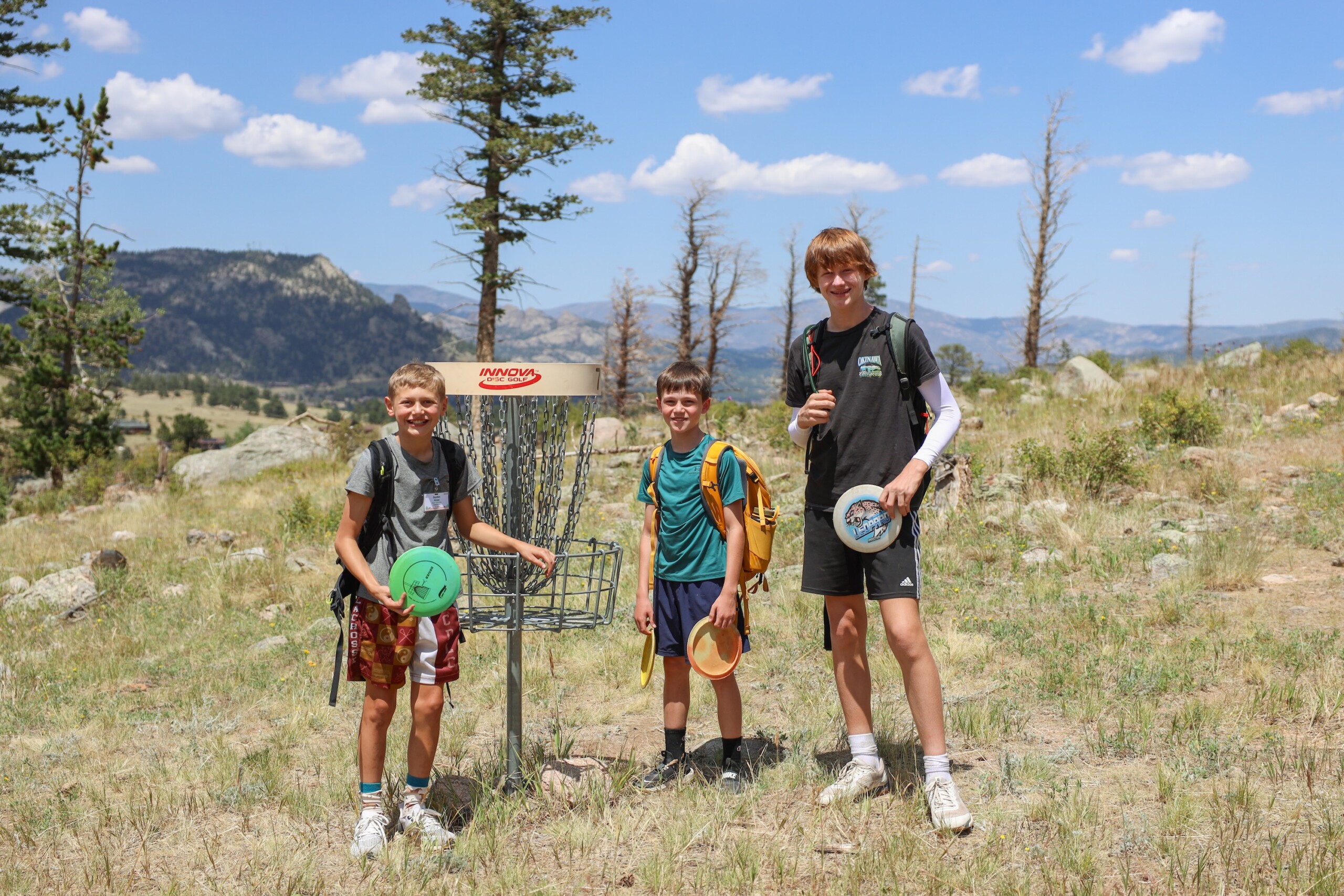


If you’re looking for a number—and only planning to read the first few sentences—we’ll give you one: nine. At Cheley, our 27-day summer camp experience begins at age nine, and we’ve welcomed many nine-year-olds who are ready for the adventure. But the longer answer is that there isn’t one “right age” to start overnight camp. We’ve also welcomed plenty of first-time campers at 10, 12, 14, and beyond.
Age matters. Readiness matters more. Rather than asking whether your child has reached the “right” birthday, it can be more helpful to consider how they approach independence, new experiences, and asking others for support.
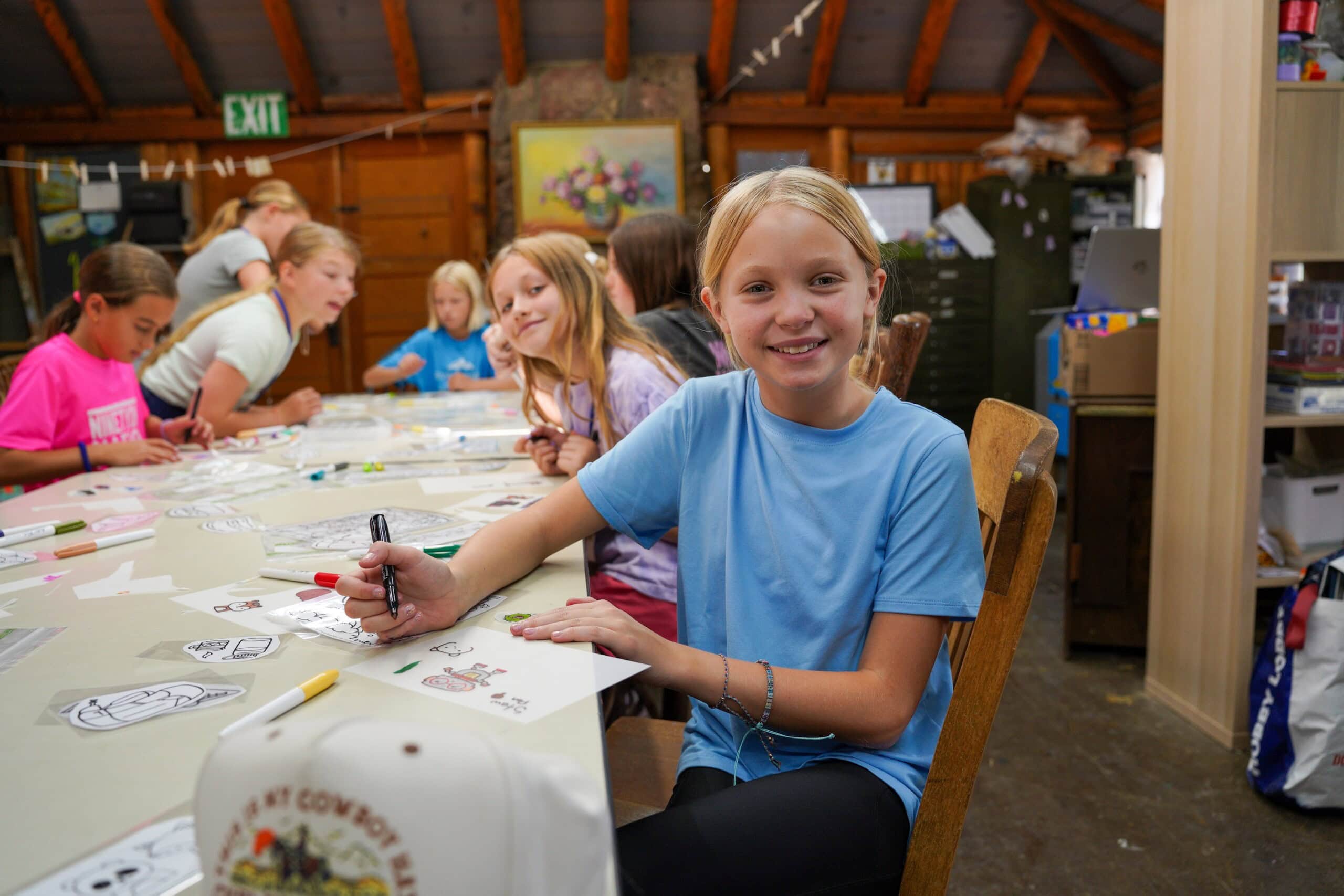
What Does “Ready for Camp” Actually Mean?
Being ready for overnight camp doesn’t mean your child needs to be completely independent. In fact, camp is a place where kids get to practice independence. Counselors are there to remind campers about routines, help them keep track of belongings, navigate friendships, work through homesickness, and figure out what to do when something doesn’t go according to plan. We don’t expect a nine-year-old to arrive with everything figured out.
There are, however, a few signs that can help you think about readiness.
They’re interested in the experience
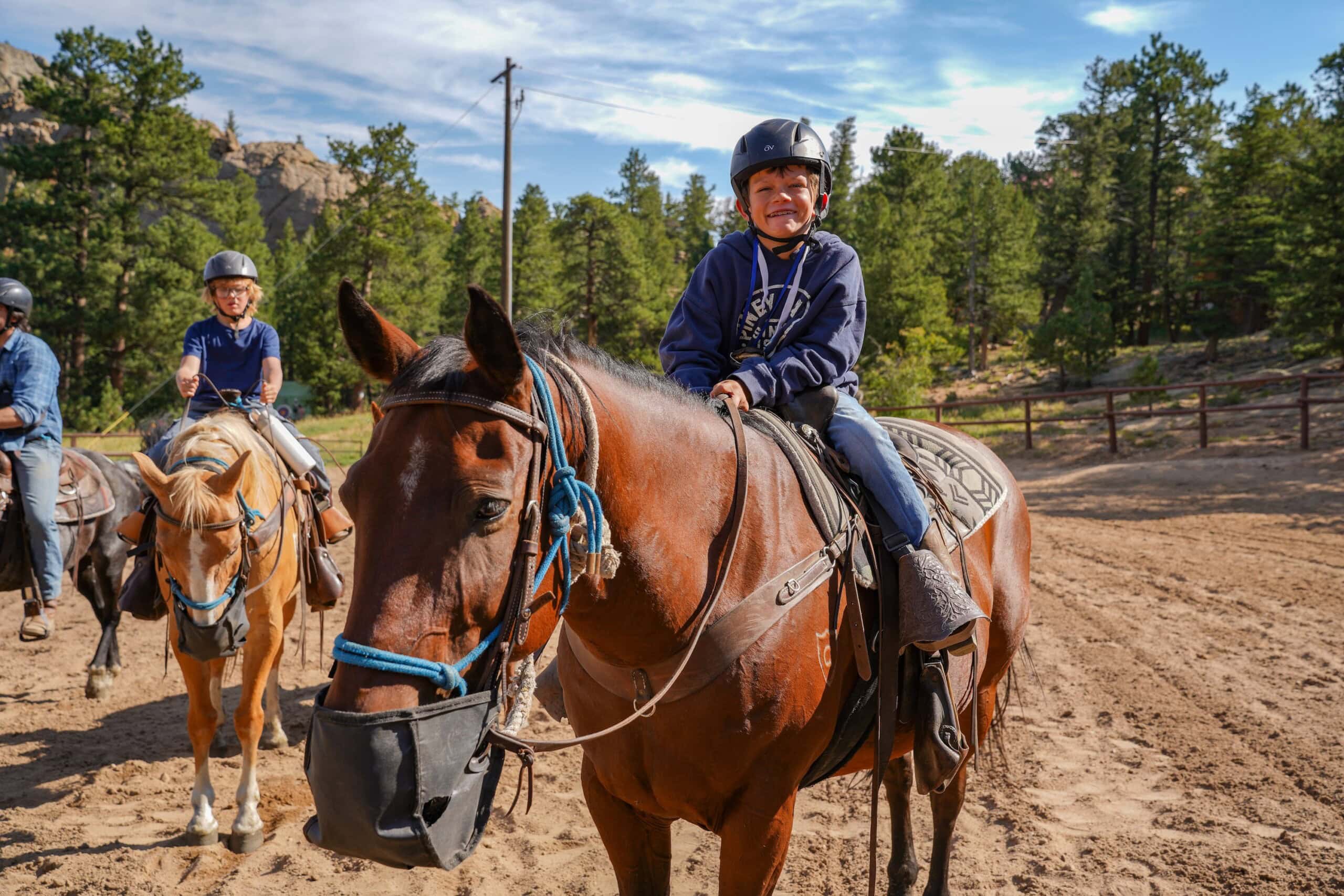
Your child doesn’t need to be counting down the days or feel completely confident about leaving home. Excitement and nervousness can exist at the same time. What matters more is whether there is some interest underneath the nerves. Maybe they’re excited about horseback riding, backpacking, climbing, making new friends, or simply having an adventure of their own. If your child is curious about camp—even if that curiosity comes with some apprehension—that can be a good place to start.
They can handle some basic daily routines
Campers don’t need to arrive knowing how to do everything themselves. But it helps if they have some experience managing age-appropriate routines: getting dressed, brushing their teeth, keeping track of their things, and taking some responsibility for what they need throughout the day. Will a nine-year-old occasionally lose a water bottle, forget where they put their sweatshirt, or need a reminder to brush their teeth? Absolutely. That’s part of living at camp. The goal isn’t perfect independence. It’s a willingness to take increasing responsibility for themselves, with counselors nearby to help.
They can turn to another trusted adult for help
This may be one of the most important indicators of readiness. When something is wrong, can your child tell a teacher, coach, relative, counselor, or another trusted adult what they need? At camp, there will inevitably be moments when a camper needs help. They might be confused about where to go, frustrated with a friend, nervous about an activity, missing home, or unable to find a clean pair of socks. They don’t need to solve every problem themselves. Knowing that they can ask someone for help is much more important.
They have some experience doing things without you
That experience doesn’t have to look a particular way. Some children have spent significant time with relatives. Others are comfortable going to school, sports practices, day camps, or other activities where their parents aren’t present. Consider what happens when your child enters those environments. Can they settle in? Build relationships with other adults? Participate without checking in with you constantly? Recover when something feels unfamiliar? Those experiences can offer useful clues about how they may adjust to camp.
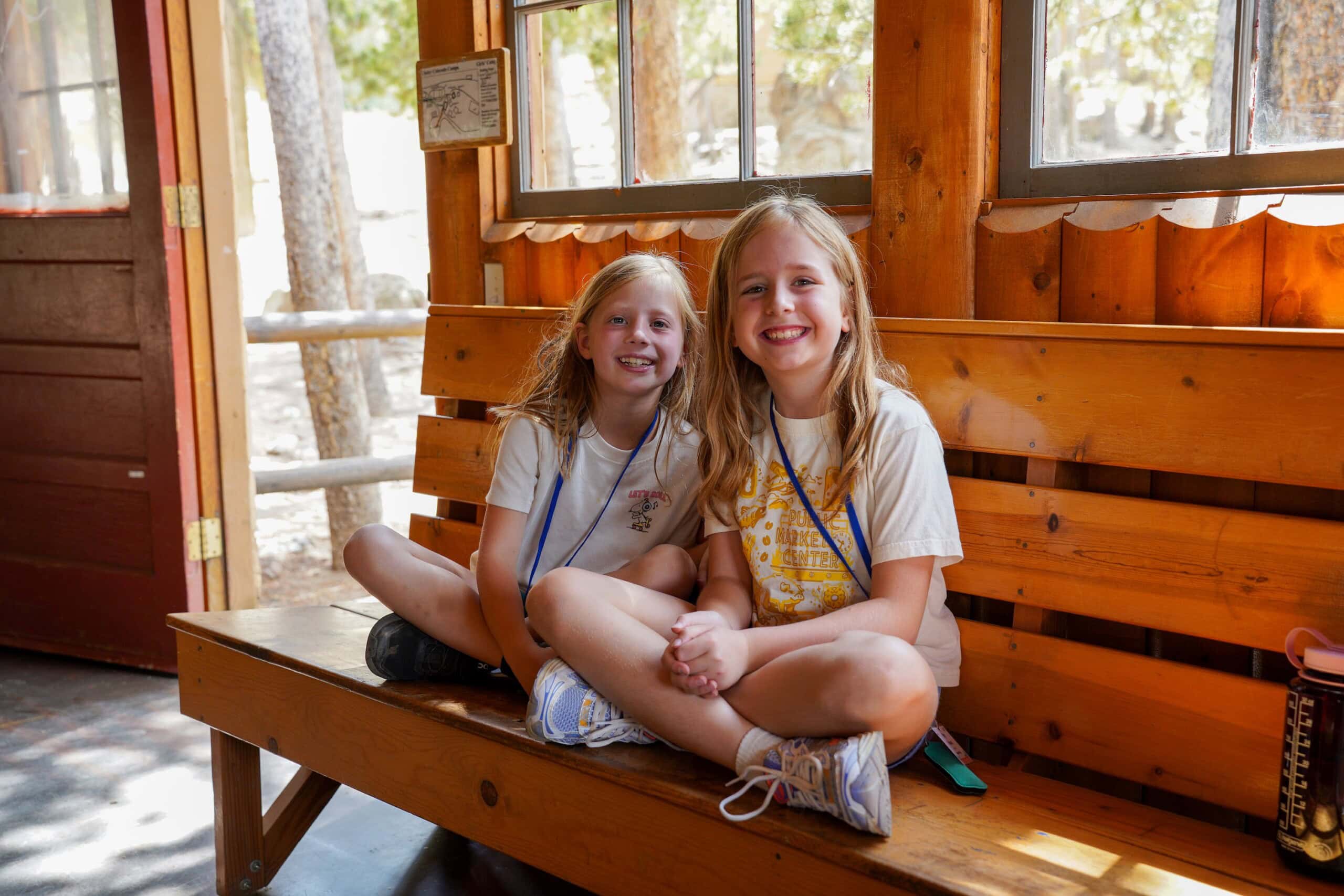
Nervous Doesn’t Mean “Not Ready”
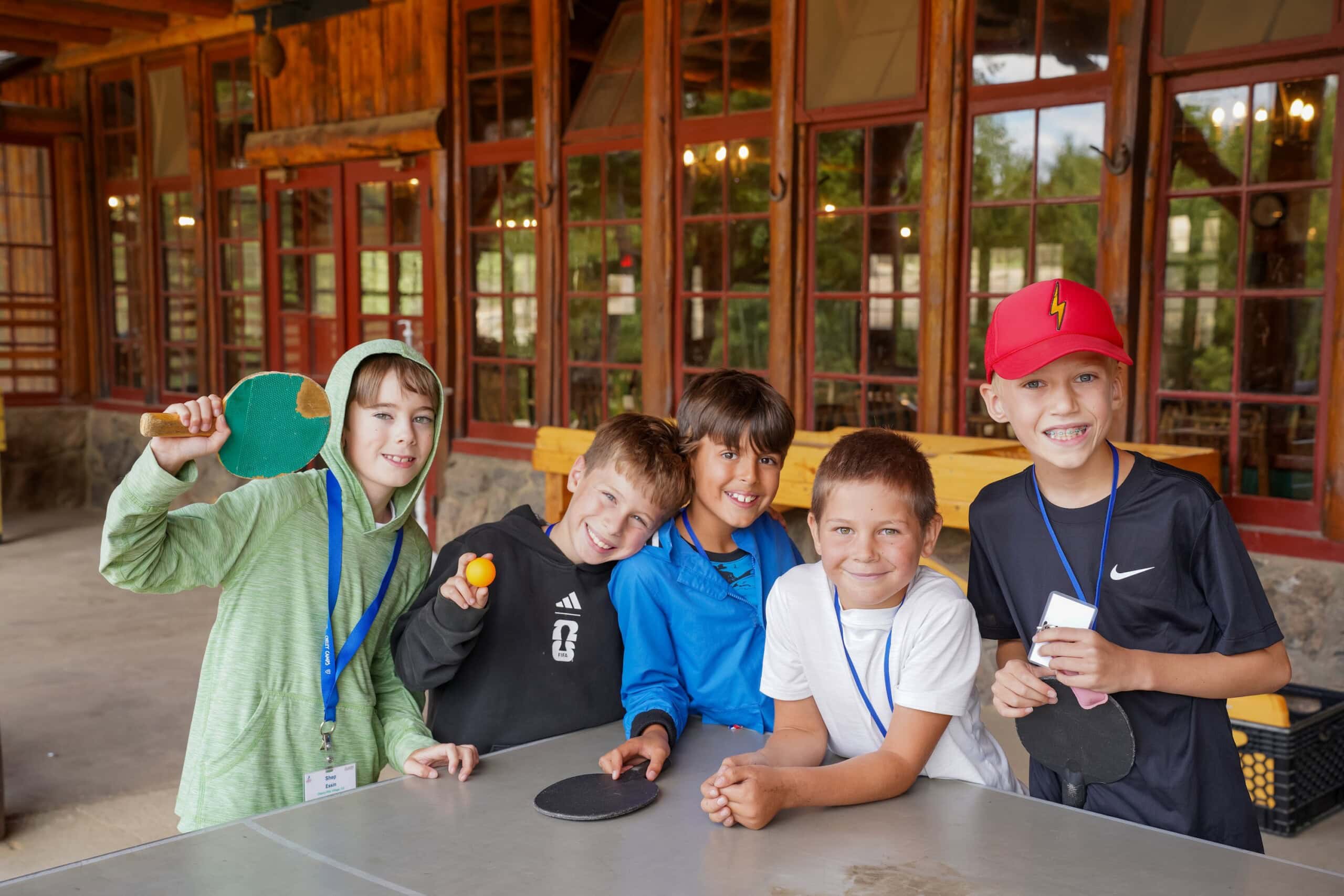
One of the trickiest parts of deciding whether a child is ready for camp is separating nervousness from unreadiness. A child can be ready for camp and still worry about missing home. They can be excited about camp and nervous about making friends. They can want to go and still have second thoughts as the first day gets closer. Those feelings are normal.
Camp asks children to do something significant: enter a new community, live with other people, build relationships with unfamiliar adults, try new things, and navigate parts of daily life without their family right beside them. It makes sense for that to feel big. The question isn’t necessarily, “Will my child miss me?” They probably will at some point.
Instead, consider whether your child can experience an uncomfortable feeling and, with support, keep moving forward. That might mean joining an activity even though they’re nervous, talking with a counselor when they’re having a hard day, or discovering that missing home and having fun at camp can happen at the same time.
What if my child is eight?
For families who think their child may be ready for camp but aren’t sure about beginning with a 27-day experience, Cheley offers Quarter B-4, a four-night introductory program for campers ages eight to ten. Quarter B-4 gives campers a chance to experience living in a cabin, participating in activities, meeting counselors, making friends, and spending several nights away from home in a shorter format. For some families, that is a helpful first step before a longer camp experience. Other children are ready to begin with 27 days at age nine. Neither path is inherently better; they simply offer different starting points.
Is there such a thing as starting too late?
No! In fact, we wrote a whole post about why your teen isn’t too old to start camp. It can be easy to assume that everyone at overnight camp has been attending since they were little. That simply isn’t the case. While our younger units tend to welcome more first-time campers, new campers join our middle and senior units every summer.
Starting later may mean entering a community where some campers already know Cheley well, but being new is something our counselors understand and support. A 13- or 15-year-old first-time camper may experience camp differently than a nine-year-old, but they can absolutely still find their place here.
So, What’s the Right Age?
For Cheley’s 27-day program, the answer starts with nine. But turning nine isn’t a switch that suddenly makes a child ready for overnight camp. Look at the whole child. Are they interested? Can they manage some basic routines? Can they accept guidance from adults other than their parents? Can they ask for help? Can they work through some discomfort when something is new or doesn’t go exactly as expected? They don’t need to check every box perfectly. Part of the reason children come to camp is to have opportunities to become more independent—not to prove that they already are.
If you’re wondering whether your child is ready for Cheley, talk with us! Tell us what excites them, what makes them nervous, and what gives you pause. We’re happy to help you think through whether 27 days, Quarter B-4, or another summer might be the right place to begin.