

Safety & Emergency Preparedness
Thoughtful planning, strong training, and clear communication guide our approach to camper safety. From everyday moments to unexpected situations, our team is prepared to respond with care and responsibility.
Cheley has spent over 100 summers helping young people grow in the Colorado Rockies, and that includes preparing thoughtfully for both everyday and extraordinary challenges. We take a proactive, well-informed approach to emergency preparedness and risk management. Because we operate in the Colorado wilderness, we can’t eliminate all risks. Our team trains intentionally, plans thoughtfully, and responds to situations with care, clarity, and experience.
What We Mean by “Prepared”
Growth often happens in environments that challenge us, and that’s why preparation is central to everything we do. Risk is part of the adventure. At Cheley, we embrace the fact that summer camp involves hiking, camping, mountain weather, wildlife, and other elements that can’t be controlled. Rather than avoid those risks, we work to understand them, plan for them, and manage them according to industry standards. Our emergency preparedness includes:
- Staff training on emergency response, missing camper protocols, medical incidents, fire and flood planning, weather events, and communication procedures
- Weather monitoring using tools like NOAA alerts, emergency apps, and real-time field communication
- Evacuation planning, including designated staging areas, relocation sites, transportation coordination, and reunification procedures
- Partnerships with local agencies, including Estes Park EMS, Larimer County Emergency Services, Rocky Mountain National Park, and Colorado Forest Service
- Digital tools and systems, including Slack emergency channels, iPhone satellite texting, satellite communication devices on certain overnight trips, and a dedicated emergency VoIP phone line connecting staff to our camp office and camp directors
Staff Training & Culture of Awareness
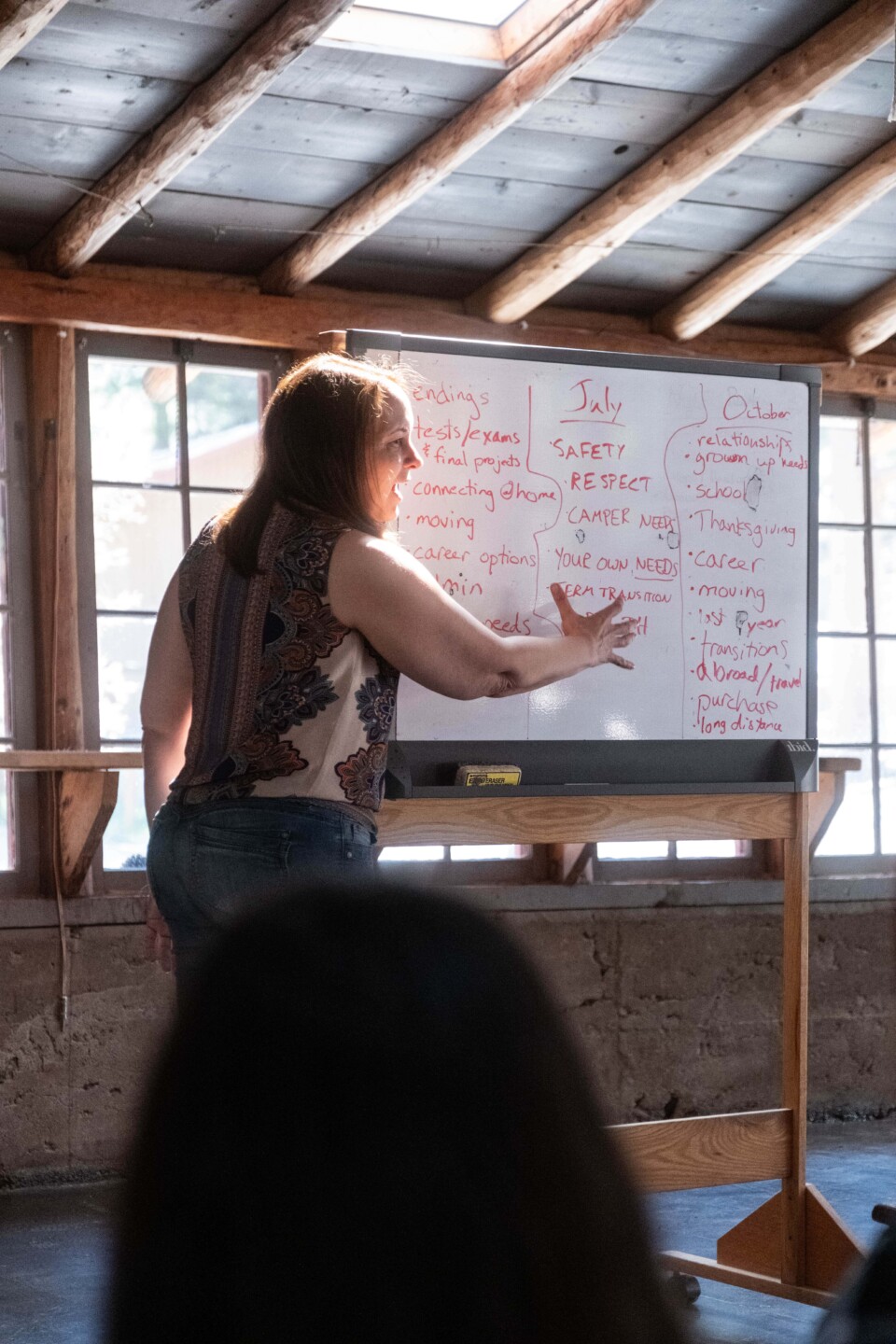
Before each summer, our staff participate in an intensive, multi-day training program focused on both physical and emotional safety. Emergency response is a key component from practicing lightning drills and alert systems to learning how to support homesick campers or respond to wilderness incidents.
Training length varies by role, but most staff spend between 10 and 17 days preparing before campers arrive. Training sessions include everything from emergency protocols and risk management to the specific procedures required to lead their assigned activities, whether it’s running a hike, a horseback ride, or a campfire. Teams also conduct drills and review real-world scenarios to build confidence and readiness.
Year-round leadership is always present on Cheley premises, with a Director on Duty each evening and clear communication systems in place. Cellular coverage in the Estes Park Valley has improved in recent years, and staff utilize cell service and Wi-Fi where and when available. In addition, a dedicated emergency phone line connects directly to our camp office and camp directors. Fiber Broadband service is utilized at the Land O’ Peaks Ranch and GTE. BTE utilizes DSL and Satellite internet.

Our Layers of Preparedness
When families search for a Colorado summer camp that takes safety seriously, they’re often looking for more than policies; they’re looking for preparation, communication, and care. At Cheley, our overnight camp safety approach includes wilderness risk management, staff training, emergency planning, and on-site medical support. For over 100 summers in the Colorado Rockies, we’ve built systems that support both adventure and responsibility.
Security & Camp Access
While Cheley doesn’t have perimeter fencing, we benefit from natural terrain boundaries, a single primary access road, and clear signage marking camp as private property.
- A chain gate is locked each night and is only accessible to designated staff
- Visitors are required to check in at the camp office
- Cheley-owned outcamping sites include locked gates, defined boundaries, and emergency signage
Our mountain setting offers privacy and natural boundaries. We maintain systems to monitor who is on our property and train our staff on protocols for responding if concerns arise.
Health, Medical, and Wellness Preparedness
Supporting the health of our campers includes both physical and emotional care. Cheley’s medical infrastructure and wellness protocols help us respond to a variety of camper needs. This infrastructure includes:
- Four on-site health centers staffed by registered nurses and often a camp physician
- Our Land O’Peaks property is only six miles from UCHealth Estes Valley Medical Center (EVMC), which provides urgent and emergency care
- Daily medication administration, illness screening, and hygiene education
- Staff trained in First Aid, CPR, and EpiPen administration
- Support for campers with food allergies, chronic health conditions, or other accommodations consistent with our ADA policies
Learn more on our Health & Wellness and Nutrition & Food Allergies pages, and in our Essential Eligibility Criteria.
Emotional Safety & Belonging
Our safety efforts at Cheley include more than physical preparedness. We train staff to support campers’ emotional and social well-being, including how to build inclusive cabins, manage homesickness, and recognize when a camper needs additional support. Learn more about Belonging at Cheley and our MESH (Mental, Emotional, and Social Health) resources.
Communication with Families
If an emergency or unexpected incident occurs, our staff will endeavor to contact families as deliberately and thoughtfully as possible. Our communication process includes:
- Direct phone calls for individual medical, behavioral, or emotional needs
- Email and text alerts, Cheley App notifications, and Cheley-authorized social media for group-wide communication
- Dedicated webpages or blogs for ongoing updates during larger events
We understand how much trust you place in us, and we work to keep families informed and supported.
Wilderness Safety & Trip Management
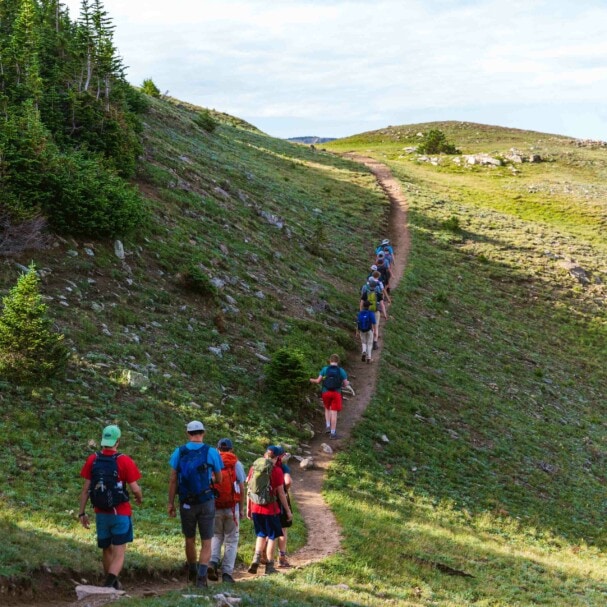
Cheley campers participate in backcountry programs that include hiking, backpacking, horseback riding, outcamping, and mountain biking. While these activities are a core part of the experience, they also involve real risks. We take steps to prepare for these adventures by:
- Training staff in wilderness first aid (WFA) and field safety
- Equipping certain groups with satellite communication devices
- Avoiding campsites near major rivers, instead using smaller streams and lakes when possible
- Monitoring burn scar areas for flash flood risk and receiving alerts from RMNP
- Adjusting or shortening trips as needed based on real-time conditions
Transportation & Travel Safety

Travel is part of the Cheley Experience, and we approach transportation with the same preparation and supervision we bring to other parts of camp life. While time on the road introduces additional considerations, camper safety remains our priority. When campers travel in vehicles:
- Vehicles are driven by staff who meet camp and state requirements
- Campers are seated and seat-belted appropriately for the vehicle being used
- Staff actively supervise loading, travel, and unloading
- Headcounts are conducted before departure and upon arrival
- Vehicles are equipped and prepared for routine roadside or weather-related situations
Drivers receive training prior to the summer and follow established camp procedures related to vehicle safety, road conditions, supervision, and emergency response while traveling.
Prepared for the Unexpected
Emergency & Disaster Response Planning
We maintain written risk-management procedures for a range of emergency and disaster scenarios, including lost or missing campers; severe weather events, including fires, floods, lightning, and tornado warnings; shelter-in-place and lockdown protocols; active threat response procedures; and evacuation planning for campers with disabilities or medical needs.
These procedures are reviewed regularly, incorporated into staff training, and practiced through drills and scenario planning. In the rare event a camper is separated from their group and their location is unknown, established missing camper protocols are activated. Families are notified as appropriate, and local authorities are contacted when warranted based on the circumstances. While detailed protocols are not published publicly, families are welcome to contact us if they would like to better understand our approach to emergency preparedness and response.
A History of Real-World Readiness
Our preparedness is built through experience. Over more than 100 summers, we’ve navigated wildfire threats, flash flooding, and historic weather events with care, coordination, and strong communication. After any emergency, drill, or unexpected event, we review our response, strengthen training, and make strategic improvements to our property, systems, and communication protocols. Continuous improvement is part of how we lead.
Wildfires
The 2023 Alexander Mountain Fire, which occurred during camp and led to the safe relocation of Trail’s End campers to Land O’Peaks. Programming continued with adjusted logistics and strong camper spirit. Read more here.
Flash Flooding
Flash flood evacuations in 2021 and 2022, due to post-fire burn scar conditions. Campers were safely moved, participated in alternate programming, and returned to Trail’s End once conditions stabilized. Past events such as the Big Thompson Flood and 2013 Colorado flooding have informed our evolving protocols and infrastructure.
Forest Management
Cheley began forest management work even before the 2020 Cameron Peak Fire and has since partnered with the Colorado State Forest Service to continue that work (Estes Park Trail-Gazette, 2021).
Read more in our blog post, “Restoring the Forest.”
A Culture of Care
We don’t promise a risk-free environment; growth in the outdoors naturally includes challenge. We do commit to maintaining a culture of responsibility, providing thoughtful training and planning, and doing our best to provide clean, compassionate communication when challenges arise. Reach out anytime to better understand how we approach safety at Cheley.
Your camper’s growth and well-being are at the heart of every decision we make. We’re proud of our history, and we’re here if you’d like to learn more.