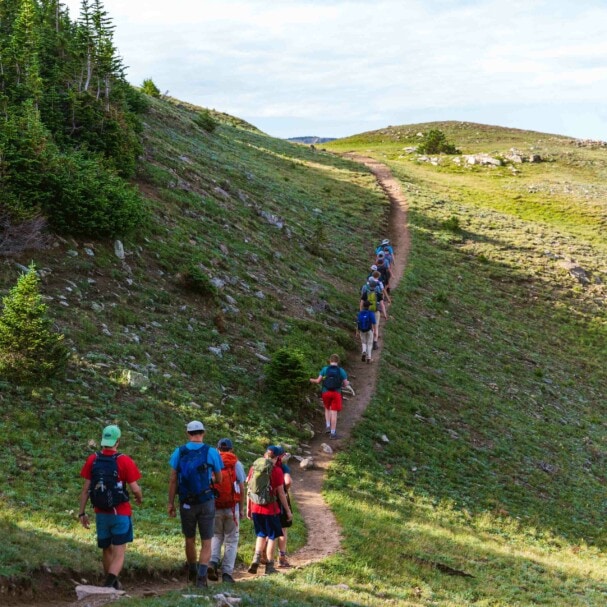
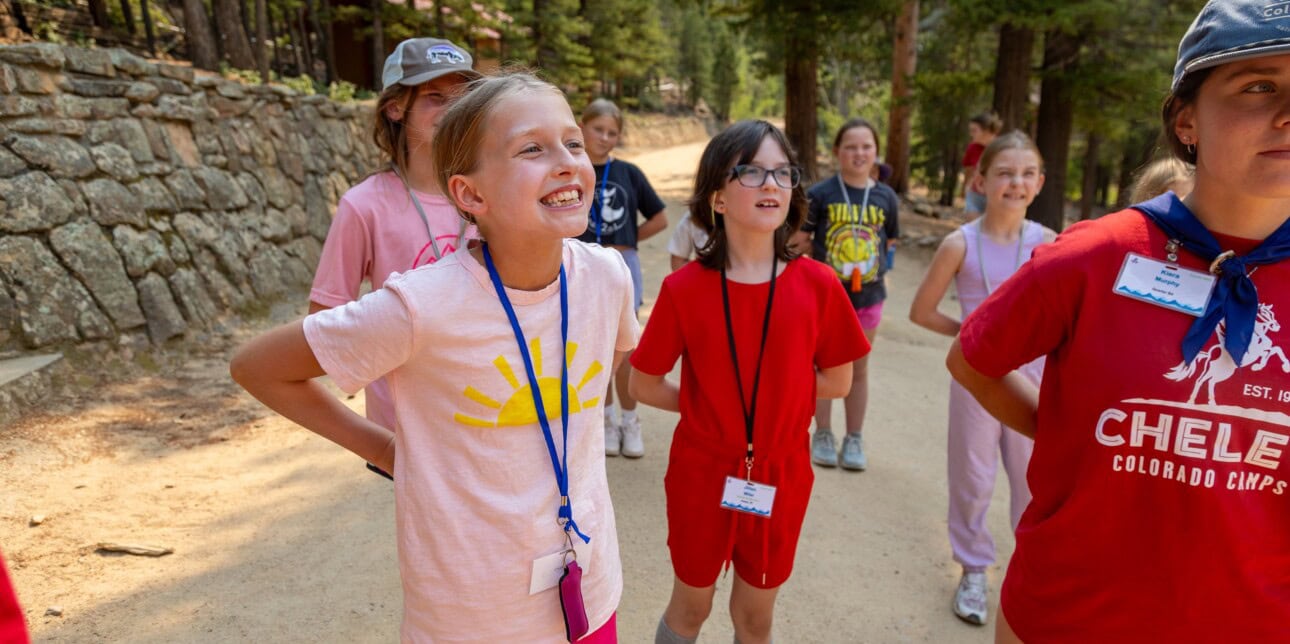
As families plan ahead for the summer, it’s natural to wonder whether a sleepaway camp experience right before school begins is too much for their child. We hear it often, especially from parents of younger campers. Is it too much to do an overnight camp right before school starts? Shouldn’t kids be slowing down instead of jumping into something new? What if they’re tired when the school year begins?
Those concerns make sense. Summer planning already involves a lot of moving pieces, and it can feel counterintuitive to choose an overnight (sleepaway) camp that runs close to the start of the school year. But after years of watching campers move from late-summer programs straight into the school year, we’ve noticed something that often surprises families. For many kids, that timing doesn’t make the transition harder. It actually helps.
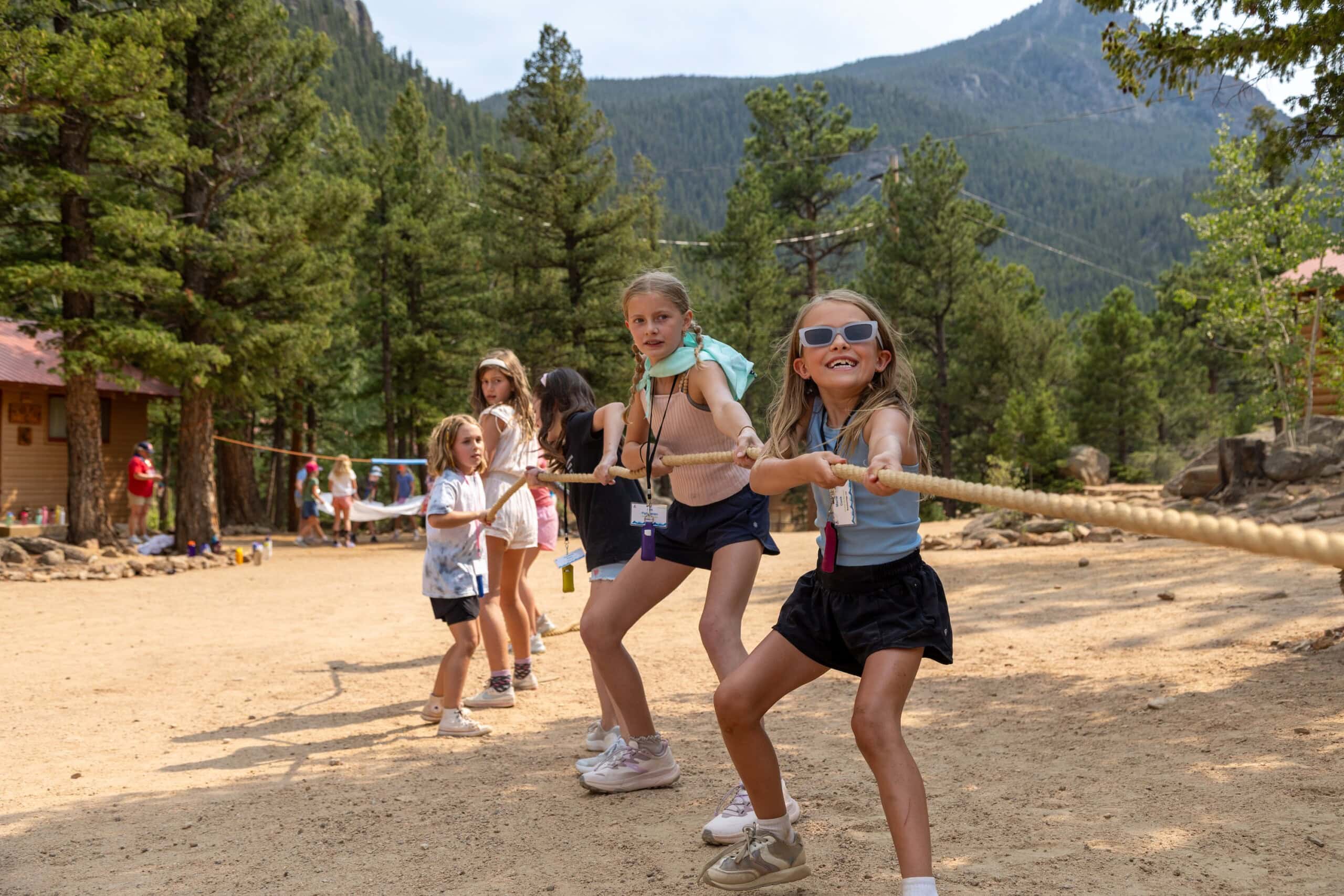
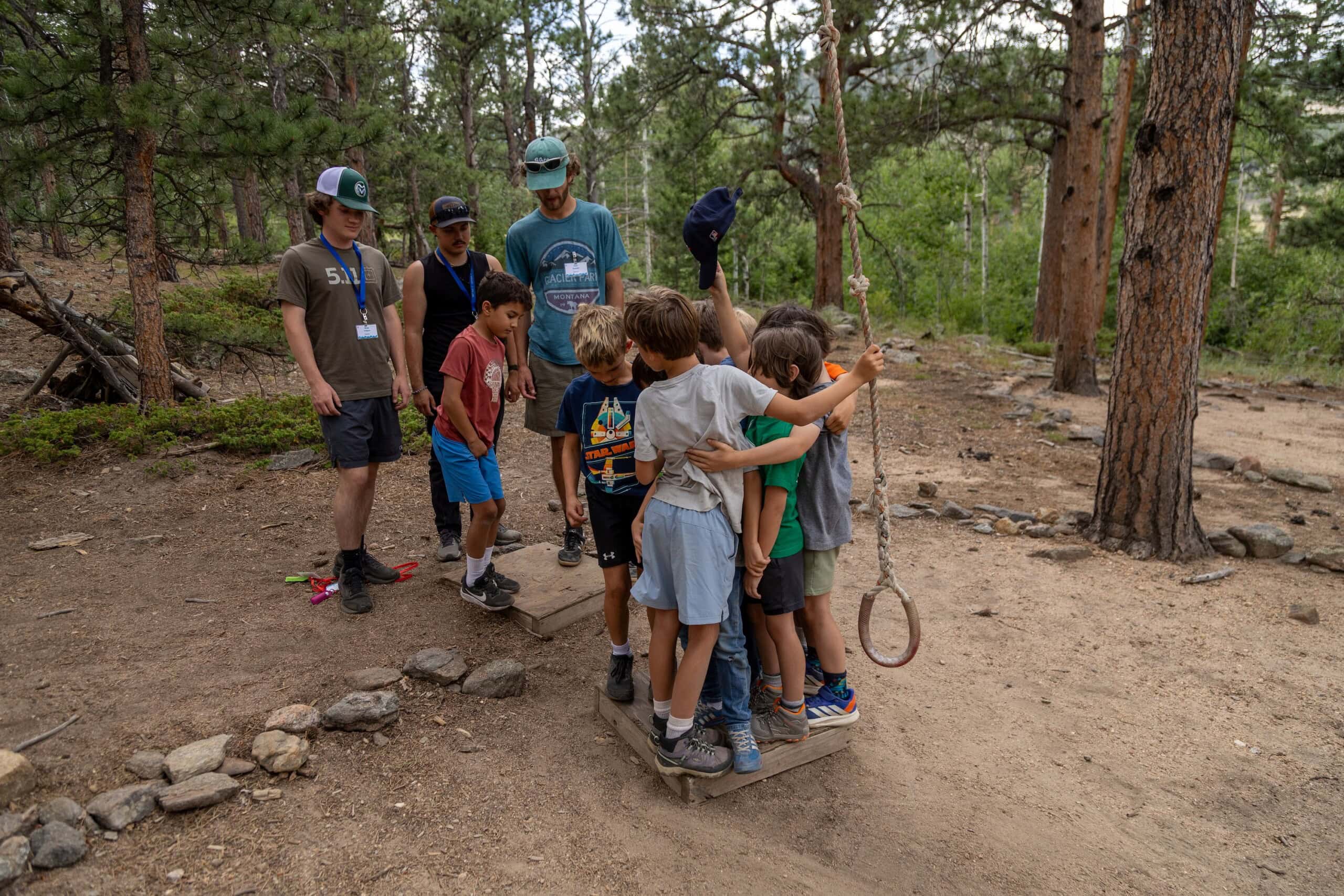
Why a Late-Summer Camp Experience Can Be Exactly What Kids Need
Camp Re-Activates the “School Muscles” (Without Feeling Like School)
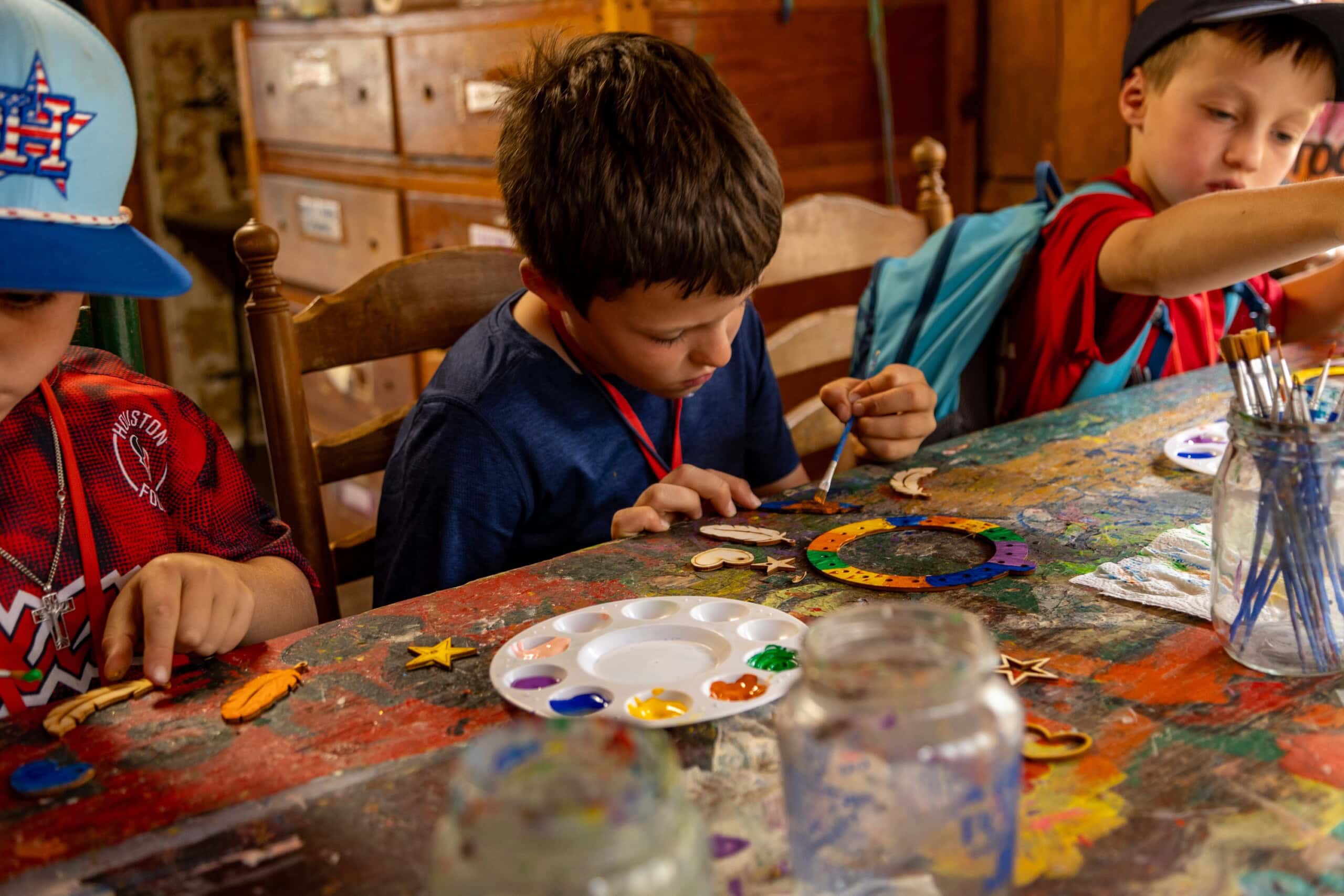
By late summer, routines tend to loosen. Bedtimes drift later. Screens creep in. Structure becomes optional in ways that feel freeing at first, but can quietly make the return to school feel abrupt. Overnight summer camp, however, reintroduces a sense of routine without making it feel like school has already started. Days have a natural flow that’s simply part of the sleepaway camp experience, like waking up on time, listening to adults outside their family, navigating group expectations, and trying things that feel new but supported.
What makes the difference is how that learning happens. No grades or tests are waiting at the end of the day, no pressure to perform. Kids learn by moving through their day, being active, spending time with others, and figuring things out as they go, often without realizing they’re rebuilding skills they’ll soon use in the classroom. For many campers, this means the first week back feels steadier. The rhythm isn’t unfamiliar, and being part of a group again doesn’t feel brand new. They’re already warmed up.
Confidence Doesn’t Reset When Camp Ends
Starting a new school year brings many questions, especially in this age range. There are new teachers, new classrooms, and social dynamics that can suddenly feel bigger. At camp, kids step into a new environment and learn how to find their footing. Over the course of their stay, they figure out how to join a group, when to ask for help, and how to handle moments that feel uncertain at first. When school starts shortly after, that confidence doesn’t disappear. Kids arrive with recent proof that they can adapt, connect, and manage something new without everything needing to be perfect on day one.
How the End of Summer Matters, Especially Right Before School
There’s something meaningful about the final chapter of summer. When those last weeks are defined by boredom, too much screen time, or growing anxiety about school, kids often carry that feeling forward. When summer ends with a sense of accomplishment, new experiences, new friendships, and stories they’re proud to tell, the emotional tone is different. A late-summer camp experience gives kids a strong finish. Instead of drifting into the school year, they step into it with momentum.
Short Programs, and Longer Ones, Build the Same Foundation
We see these benefits clearly in our one-week programs, especially for younger campers. Five days is enough time to reconnect with structure, build confidence, and leave feeling successful without being worn out.
The same ideas apply, and often deepen, over longer sessions. In our 27-day overnight summer camp program for 9–17-year-olds, campers have more time to settle in, take on responsibility, navigate group dynamics, and grow into independence at their own pace. The rhythms become second nature, and the confidence has time to stick. Whether a camper is with us for five days or twenty-seven, the foundation is the same, the experience is simply reinforced over time.
Camp Builds the Skills School Depends On
Camp doesn’t just help kids feel ready, it helps them be ready. When kids arrive at school after a late-summer camp experience, they’re often more comfortable with transitions, more at ease in group settings, and quicker to engage with the adults around them. They’ve recently practiced showing up, paying attention, and working through small challenges in an environment that felt supportive rather than evaluative.
That carryover matters. Teachers notice when students settle in more easily, and kids notice it too. The routines, expectations, and social dynamics of the classroom don’t feel entirely new; they feel familiar enough to navigate with confidence.
So, Is Camp Right Before School a Bad Idea?
For some kids, it may not be the right fit, and that’s okay. Every child is different. But for many campers, a late-summer overnight camp experience doesn’t compete with school readiness; it reinforces it. It reminds kids that they’re capable, adaptable, and supported as they step into something new. In fact, it doesn’t make the return to school harder, but rather, it helps make it smoother.
Sometimes the best way to prepare for the school year isn’t slowing all the way down. It’s finishing summer with purpose.