For weeks, your child lived in a world with its own rhythm. Their days were filled with friends, activities, shared meals, time outside, traditions, and growing independence. Then, almost overnight, they’re back home. You might picture big hugs, nonstop stories, and an easy return to family life. And sometimes, that’s exactly what happens! Other times, your camper comes home exhausted. They give one-word answers. They miss their friends. They want some space. They’re happy to see you and, at the very same time, desperately wish they were still at camp.
Coming home from summer camp is a transition, and transitions can bring big emotions. As camp parents ourselves and longtime camp professionals, we’ve seen re-entry unfold in many different ways. A little understanding of what your camper is experiencing can make those first days home easier for everyone.
Give Them Time to Find Their Footing
Life at an overnight camp is remarkably different from life at home. For weeks, campers are surrounded by friends nearly all the time. Their days have a predictable rhythm and a strong sense of purpose, with new challenges, time outside, limited screens, and growing independence built into everyday life. Then suddenly, it stops.
Home is familiar, but the rhythm is different. Your camper may go from constant connection to more time alone, from full days to open hours, and from making many of their own daily decisions to settling back into family routines. That adjustment may look like exhaustion, irritability, quiet, excitement, sadness, or some combination of all of them. Try not to expect your camper to be “back to normal” overnight. If you can, keep the first day or two relatively light. Sometimes, one of the most helpful things you can do is simply let them be.
Let the Stories Trickle Out
After weeks apart, of course you want to hear everything. Who were their closest friends? What was their favorite activity? What happened on their overnights? What was funny? What was hard? Your camper may tell you the whole story before you make it home. They may also stare out the car window and give you a lot of “good,” “fine,” and “I don’t know.”
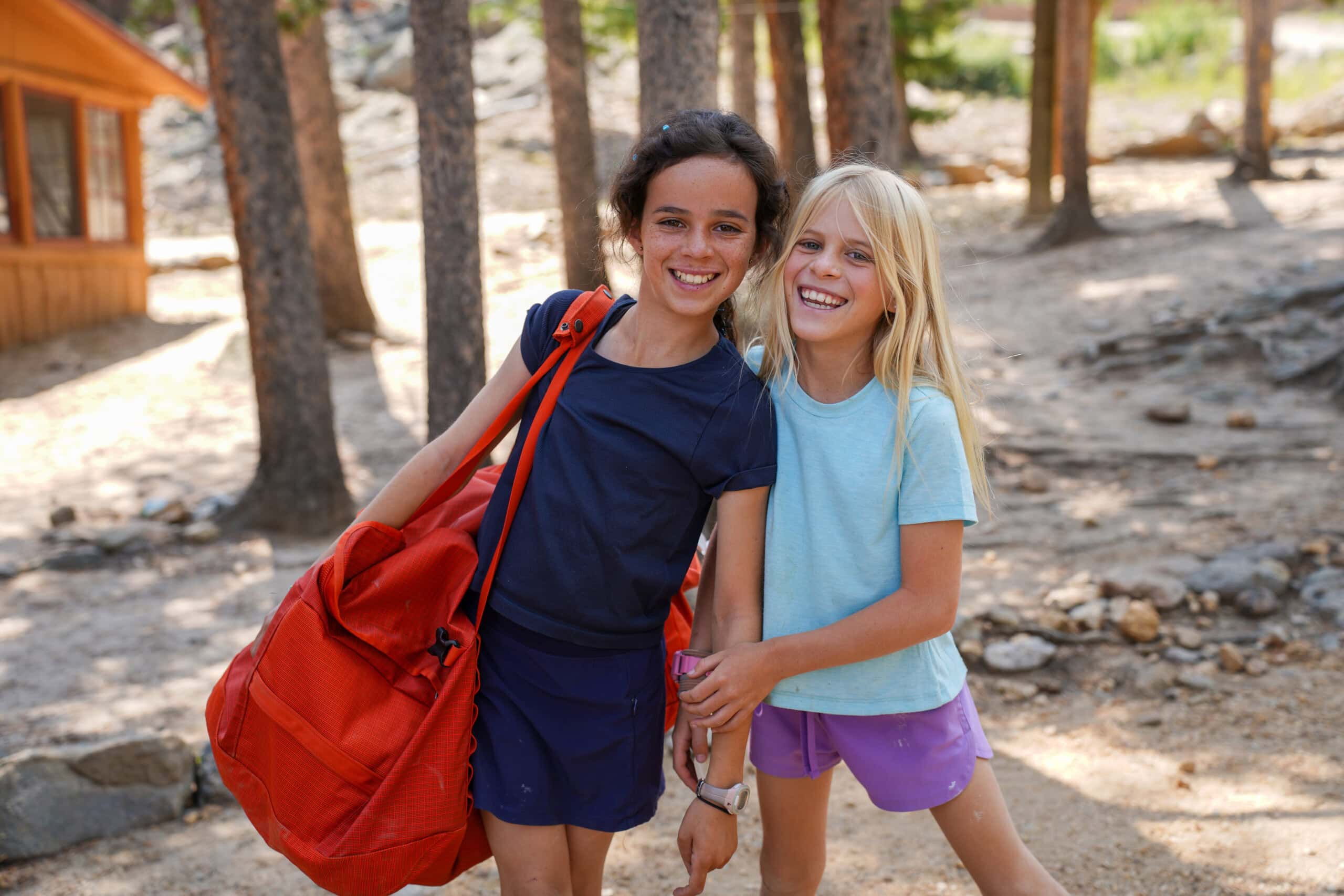
A summer at camp is difficult to summarize on demand. There are friendships you have never heard about, inside jokes that require ten minutes of explanation, challenges they are proud of, and seemingly ordinary moments that became important to them. The stories will trickle out. One may come while you’re unpacking a duffel bag, another at dinner a few weeks later, and another months from now when something reminds them of camp. Focus on reconnecting rather than interviewing. When they’re ready to tell you more, listen.
Make Room for Missing Camp
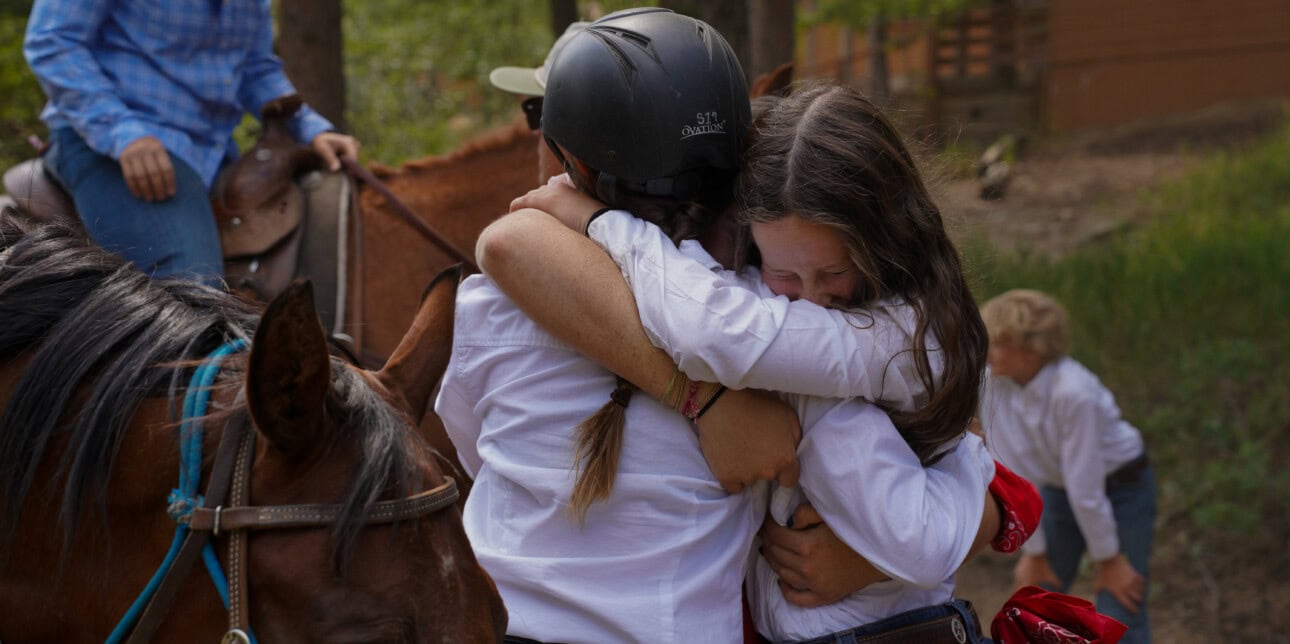
Two things can be true at once: your camper can be happy to be home and deeply sad that camp is over. For weeks, they lived alongside friends and counselors who became part of their everyday lives. They shared meals, challenges, traditions, laughter, and ordinary moments. Saying goodbye to that community can feel like a real loss. If your camper seems sad, make room for the feeling rather than rushing to fix it. Missing camp is not a rejection of home or family. Often, it is simply a reflection of how much the experience and the people they shared it with meant to them.
A Few Things You Can Say
Sometimes your camper needs understanding more than advice. Simple responses can leave the door open:
- “It makes sense that you feel that way.”
- “Tell me more.”
- “You can be happy to be home and still miss camp.”
- “I’m so happy you’re home.”
You do not need to talk them out of missing camp. Letting them know their feelings make sense can be enough.
Give Them Rest and a Little Structure
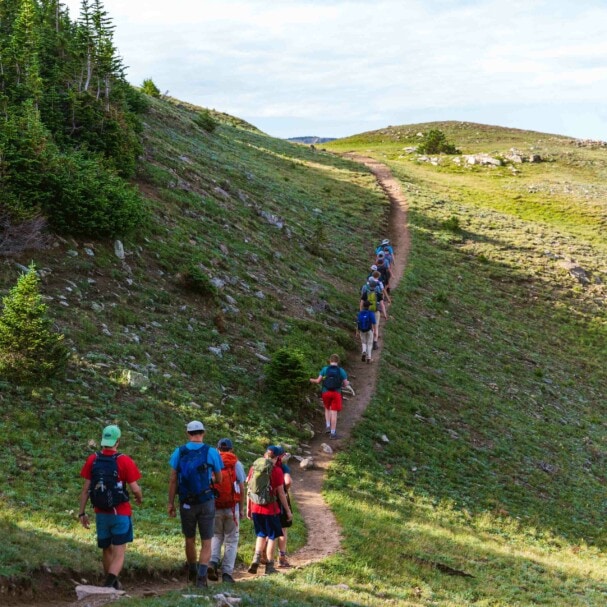
Camp is full in the best possible way. Days are spent hiking, riding horses, backpacking, climbing, creating, playing, talking, laughing, learning, and living alongside other people. After several weeks of that pace, many campers come home ready for some serious rest. They may sleep later than usual, want an afternoon to themselves, or have little enthusiasm for a packed social calendar. They are also moving from an environment where activity, time outside, community, and limited screen use are built into the day to one with more unstructured time and easy access to technology.
Giving them space does not mean abandoning routine altogether. Familiar structure around meals, sleep, family responsibilities, and everyday life can help campers settle back in while leaving plenty of room for rest. There is no need to recreate camp at home. Give them time to rediscover their rhythm.
Notice Who Came Home
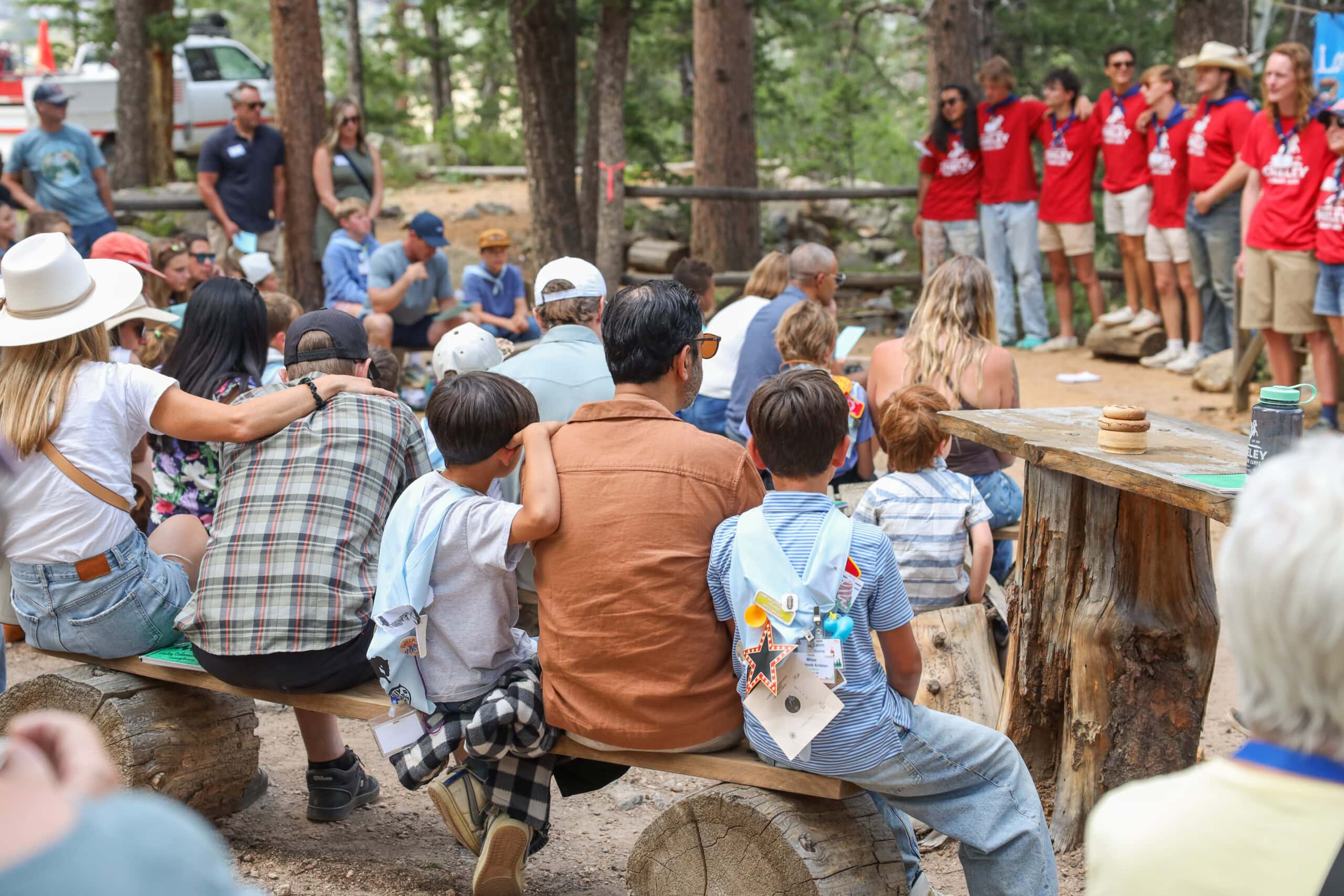
Your camper left for Cheley several weeks ago. The person who came home may be a little different. At camp, young people get daily opportunities to practice independence. They make decisions, take care of their belongings, contribute to a community, navigate relationships, work through discomfort, and discover that they can do hard things. Some of that growth is easy to spot. Much of it appears more gradually.
Look for ways to let that independence continue at home. Maybe your camper is ready for more responsibility. Perhaps you notice more confidence in unfamiliar situations, greater patience with others, or a willingness to try something that once intimidated them. The goal is not to quiz them about how they grew. Give them opportunities to show you.
Help Them Stay Connected
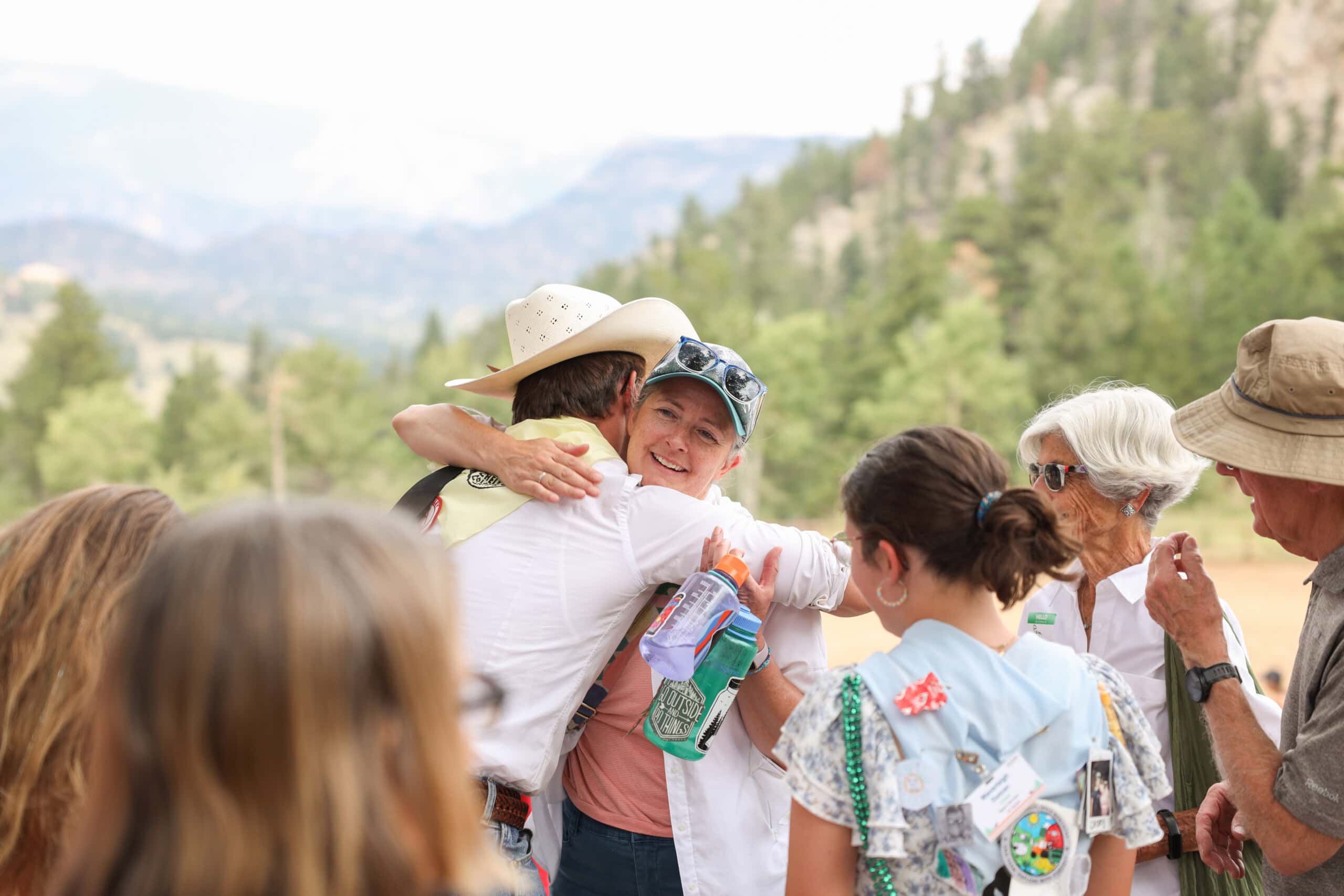
For many campers, the people are what they miss most. Finding appropriate ways to stay connected with camp friends can make the transition home feel less abrupt while campers reconnect with family, hometown friends, school, and the other communities in their lives.
Camp may start showing up in unexpected places. A phrase your camper picked up from a friend. A new willingness to help around the house. A song they suddenly play all the time. A story that finally surfaces three months later. The summer comes home with them in ways both big and small.
Camp Ended. The Experience Didn’t.
Big feelings after camp do not mean something went wrong. Sometimes they mean your child had a summer that challenged them, changed them, and gave them relationships they will miss. So give them time. Listen when the stories come. Make space when they miss camp, and notice the ways their independence and confidence begin showing up at home.
Camp is a gift that keeps giving. Sometimes, coming home is the first chance to see just how much your camper is bringing back with them.