Some of the most important things children bring home from camp don’t fit in a duffel bag. They come home with stories about mountain summits, horseback rides, backpacking trips, new friends, and moments that already seem to have grown larger in the retelling. But they also come home with things that are much harder to see: greater confidence, independence, resilience, and a stronger sense of who they are and what they are capable of.
Just days after the end of our summer season, we received a note from a parent reflecting on the changes he had already seen in his daughter: “Picking up [my daughter] that day from camp was one of the most special days I’ve had as a parent. I saw my girl change from a kid to a young lady in the matter of a month.”
He described a daughter who came home helping with meals, taking care of her younger siblings, keeping her room clean, and becoming more aware of the feelings of those around her.
“We can both tell that her confidence has skyrocketed. We always knew she had all of these qualities in her, but they came out through being on her own, going through the struggle of being away from home and not knowing anyone.”
We love hearing stories like this. The changes are not always this dramatic, but we know camp gives young people opportunities to practice speaking up, solving problems, working with others, navigating differences, managing disappointment, and persevering when something feels difficult.
In August, I attended Stranahan’s Celebrates Colorado 150: The Pioneers. No, I wasn’t there just for the whiskey. I was there to support a few friends on the guest panel. After the presentation, I reconnected with an old friend who is the founder and president of America Succeeds, a national nonprofit working at the intersection of education and workforce development.
During our conversation, he used a term that immediately resonated with me: durable skills. The term is a welcome improvement over “soft skills,” which has always made some of the most important human abilities sound secondary or optional. There is nothing soft about communicating through conflict, making a thoughtful decision under pressure, persevering through discomfort, or earning the trust of a group.
These skills are durable because they last. Technology will change. Career paths will evolve. But the ability to think critically, communicate clearly, collaborate effectively, adapt creatively, and act with character will remain valuable throughout a person’s life. Of course, the idea itself is not new.
More than a decade ago, educator Pat Bassett described the “Five Cs” needed for success in the 21st century: critical thinking, creativity, collaboration, communication, and character. He added a sixth: cross-cultural competency—the ability to understand, respect, and connect with people whose backgrounds and experiences may differ from our own.
Today, America Succeeds is discussing many of the same qualities under the more compelling name of durable skills. The terminology may have changed. The need has not. And at Cheley, developing these qualities has been central to the experience for generations.
Frank H. Cheley Understood Durable Skills
Long before anyone used phrases such as “21st-century competencies” or “future-ready skills,” Frank H. Cheley understood that young people needed opportunities to develop character, independence, courage, responsibility, and concern for others.
He did not envision camp simply as a vacation in the mountains. Frank trademarked the phrase “Fun Plus” to describe the Cheley Experience: an adventure in which young people came to camp to have fun but also spent time discovering who they were becoming.
That philosophy continues to shape Cheley today. For 27 days, campers step into an environment intentionally designed to stretch them. They live away from many of their normal comforts. They join a cabin community. They make decisions, face challenges, contribute to a group, and learn to take greater responsibility for themselves. They do not sit through a class called “Durable Skills 101.” They live it, each and every day.
Critical Thinking in the Mountains
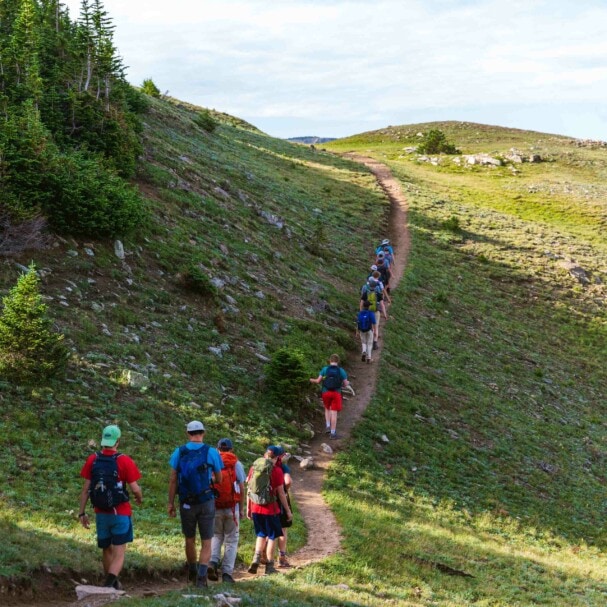
Critical thinking does not always look like a child sitting at a desk analyzing a complicated problem. Sometimes it looks like campers at a trail junction considering the weather, remaining daylight, their group’s energy, and the distance ahead alongside their counselors.
At camp, plans change. Storms build. Someone struggles. With guidance from their counselors, campers have opportunities to gather information, consider alternatives, listen to others, and help determine the best way forward. These are real experiences that build resourcefulness and thoughtful decision-making.
Learning to Live and Work Together
For 27 days, campers live in a community where collaboration and communication are part of everyday life. They share cabin space, eat together, take responsibility for community tasks, travel together on trails and backpacking trips, and work through disagreements. They learn to express what they need, listen to different perspectives, contribute to group decisions, and recognize when someone else needs support.
A mountain summit offers a powerful example. Reaching the top is meaningful, but how the group gets there matters just as much. Campers learn to adjust their pace, offer encouragement, communicate when something is wrong, and understand that the strength of the group depends on each person’s willingness to contribute.
They also begin to understand that leadership does not always mean being out front. Sometimes leadership means listening. Sometimes it means speaking up. And sometimes it means staying beside someone who is struggling. These everyday moments may seem small, but they are practice for a lifetime of working with and caring for others.
Creativity Without a Screen
Camp also gives children the space to become creative again. They make up games. They tell stories. They solve practical problems. They create traditions, skits, songs, and inside jokes. They entertain themselves and one another without being handed a constant stream of content.
One of my favorite scenes at camp is the dinner table: a group of teenagers talking, laughing, and connecting for at least 30 minutes while enjoying their meal—having real conversations and solidifying their memories of the day.
Remember the camper whose dad wrote to us about the changes he saw after she returned home? He shared one more moment that stood out. Shortly after coming home, she handed over her computer—she doesn’t have a phone—even though she knew thousands of group chat messages were waiting for her.
“I don’t need this and I don’t want to be tempted to use it,” she told him.
After 27 days of talking, laughing, playing, and building friendships face-to-face, there is something powerful about that choice. Campers have the opportunity to experience what it feels like to be present with the people around them rather than constantly consuming what is happening somewhere else.
In the mountains, creativity is also connected to adaptability. When the weather changes or the original plan no longer works, campers learn that disappointment does not have to end the experience. They can adjust, imagine another possibility, and make something meaningful out of what is available. The ability to create rather than merely consume is increasingly valuable. I want to emphasize this point: They are spending their days creating their own memories, not consuming content created by someone else.
Character Is Built by Doing Hard Things
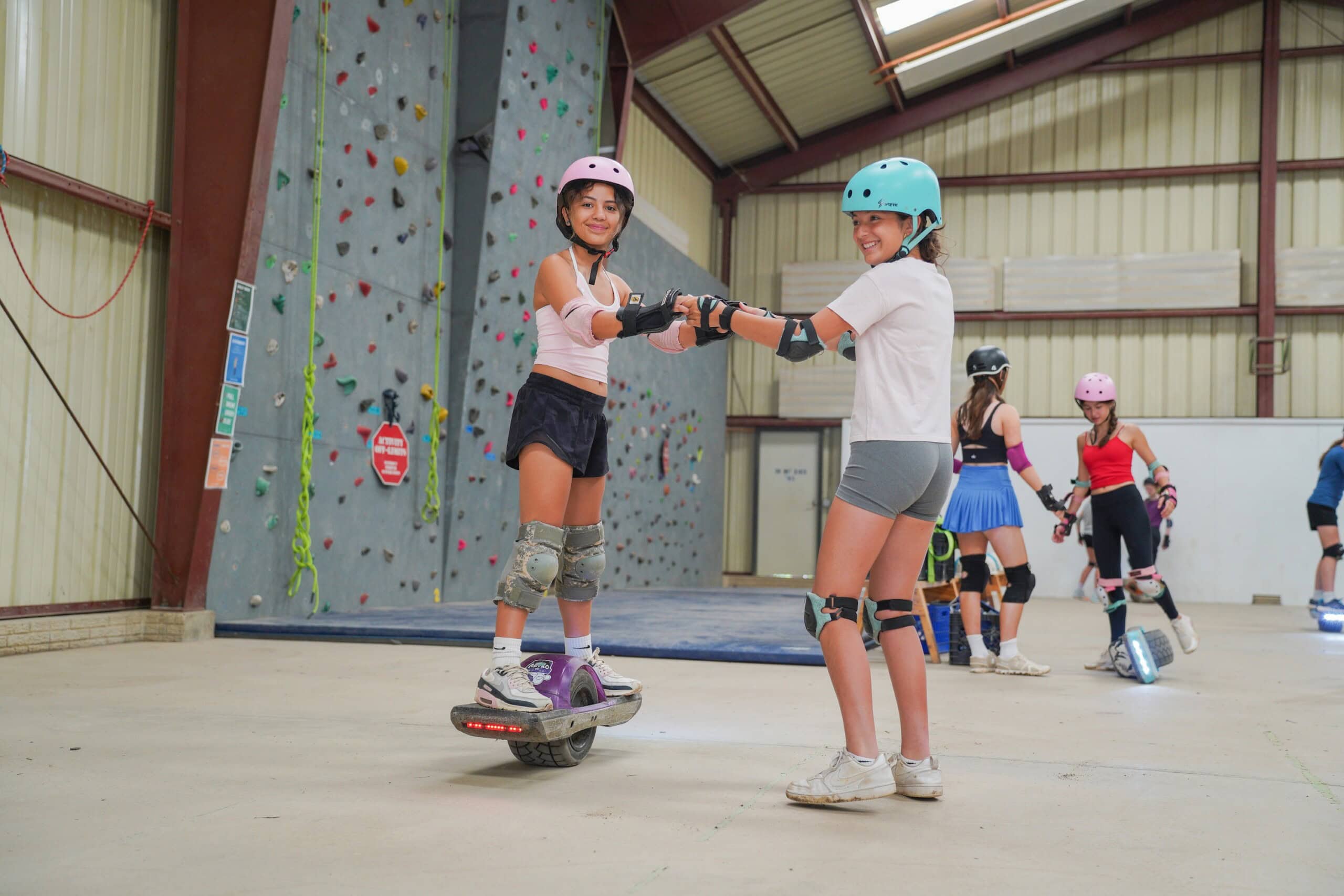
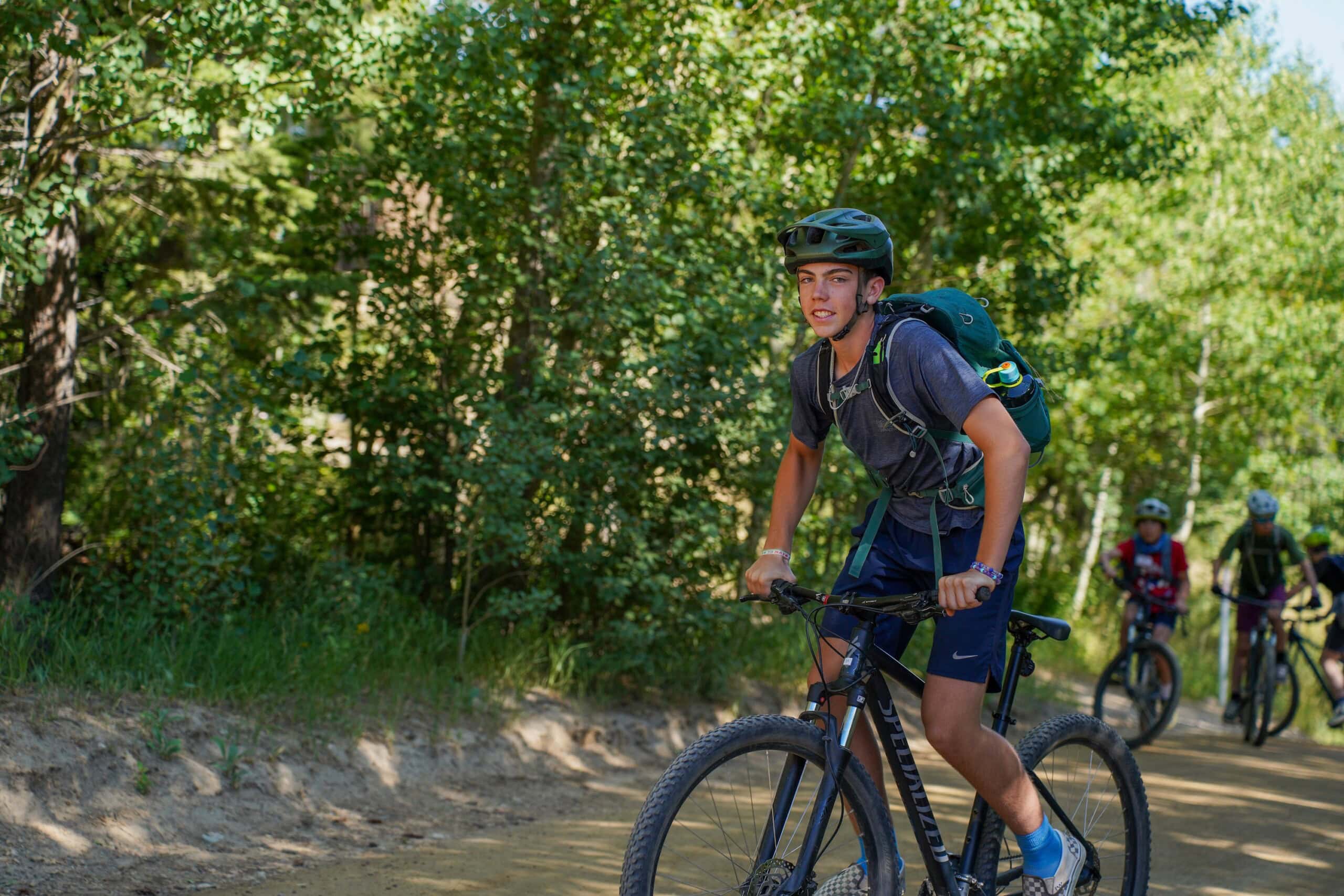
At Cheley, we often say, “We do hard things.” We do not believe children need to be protected from every struggle. We believe they need appropriate challenges, nurturing support, and the chance to discover that they are capable of more than they initially believed.
For one camper, the hard thing may be climbing a mountain. For another, it may be spending the night away from home, riding a horse for the first time, speaking in front of the cabin, recovering after an unsuccessful attempt, or apologizing to a friend.
Character develops when children encounter these moments and choose to keep going. They learn that courage is not the absence of fear. Courage is taking the next step while fear is still present. And they learn that confidence does not come from being told repeatedly that they are capable. It comes from collecting evidence through experience.
“I was nervous, but I tried.”
“I was tired, but I continued.”
“I made a mistake, but I took responsibility.”
“I did not think I could do it, but I did.”
Those lessons are durable.
Cross-Cultural Competency Through Community
Cheley campers come from different states, countries, schools, families, cultures, and life experiences. For 27 days, those differences become part of a shared community. Campers eat together, hike together, laugh together, and work through challenges together. They discover that someone can have a different background, tradition, accent, viewpoint, or way of doing things and still become a trusted friend. Cross-cultural competency is not simply knowing facts about other people. It is the ability to approach differences with curiosity, humility, and respect.
Helping Your Child Recognize What They Learned
Children may not come home using phrases such as “critical thinking” or “cross-cultural competency.” Parents can help them recognize their growth by asking questions that go beyond, “Did you have fun?” Consider asking:
- When did something not go according to plan, and what did you do?
- When did you help someone else?
- What is something you can do now that you were unsure about before?
- What did you learn from someone whose life is different from yours?
- What was hard—and what helped you keep going?
Listen carefully to the answers. The most meaningful growth may be hidden inside a story that initially sounds ordinary.
More Than a Great Summer
Parents make sacrifices to send their children to Cheley and invest in an experience whose most important outcomes cannot always be measured immediately. The muddy boots will eventually become clean. The camp songs may become quieter. Some of the details of individual hikes and activities will fade. But the ability to communicate, collaborate, think critically, adapt creatively, respect differences, and act with character will remain.
These are not merely camp skills. They are life skills. They are durable skills. And for more than a century, they have been at the heart of the Cheley Experience.