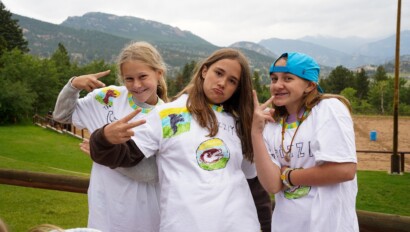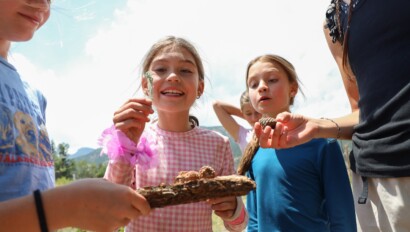
When we talk about children going away to summer camp, we talk a lot about separation. We talk about homesickness. We talk about campers learning to navigate friendships, make choices, solve problems, and ask other trusted adults for help. We talk about the confidence that can come from discovering, little by little, “I can do this without my parents here.” We talk less about the other side of that separation, when parents say goodbye and go home without their children.
I was reminded of this recently while reading an article in The Atlantic about how technology has changed the relationship between parents and children at summer camp. Parents today are accustomed to a level of connection that simply wasn’t possible a generation ago. We text. We share locations. We get updates from school. We know when the bus arrives, when practice ends, and often what our children ate for lunch.
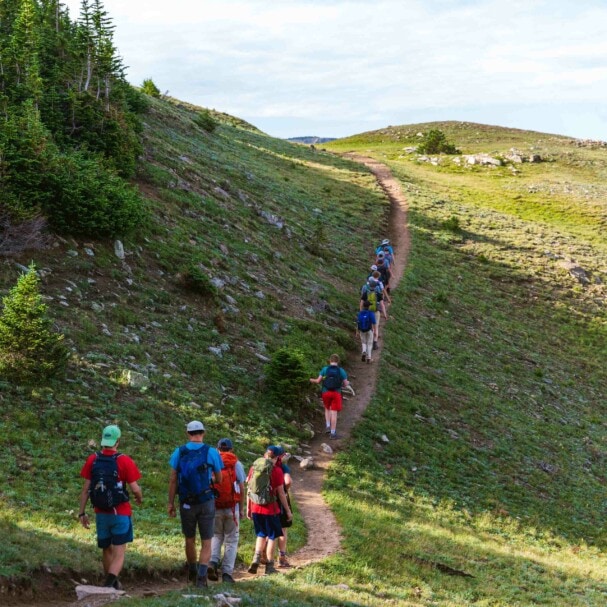
Then you send your child to camp, and suddenly, you don’t know very much at all. You might see a photograph. You might get a letter. At Cheley, you’ll receive a weekly report from your camper’s go-to counselor. You’ll get a sense of how your child is doing, but you won’t be there for the conversation at breakfast, the disagreement in the cabin or wagon, the joke on the trail, or the small problem your child figures out without ever thinking to tell you about it.
For parents, that can be hard.
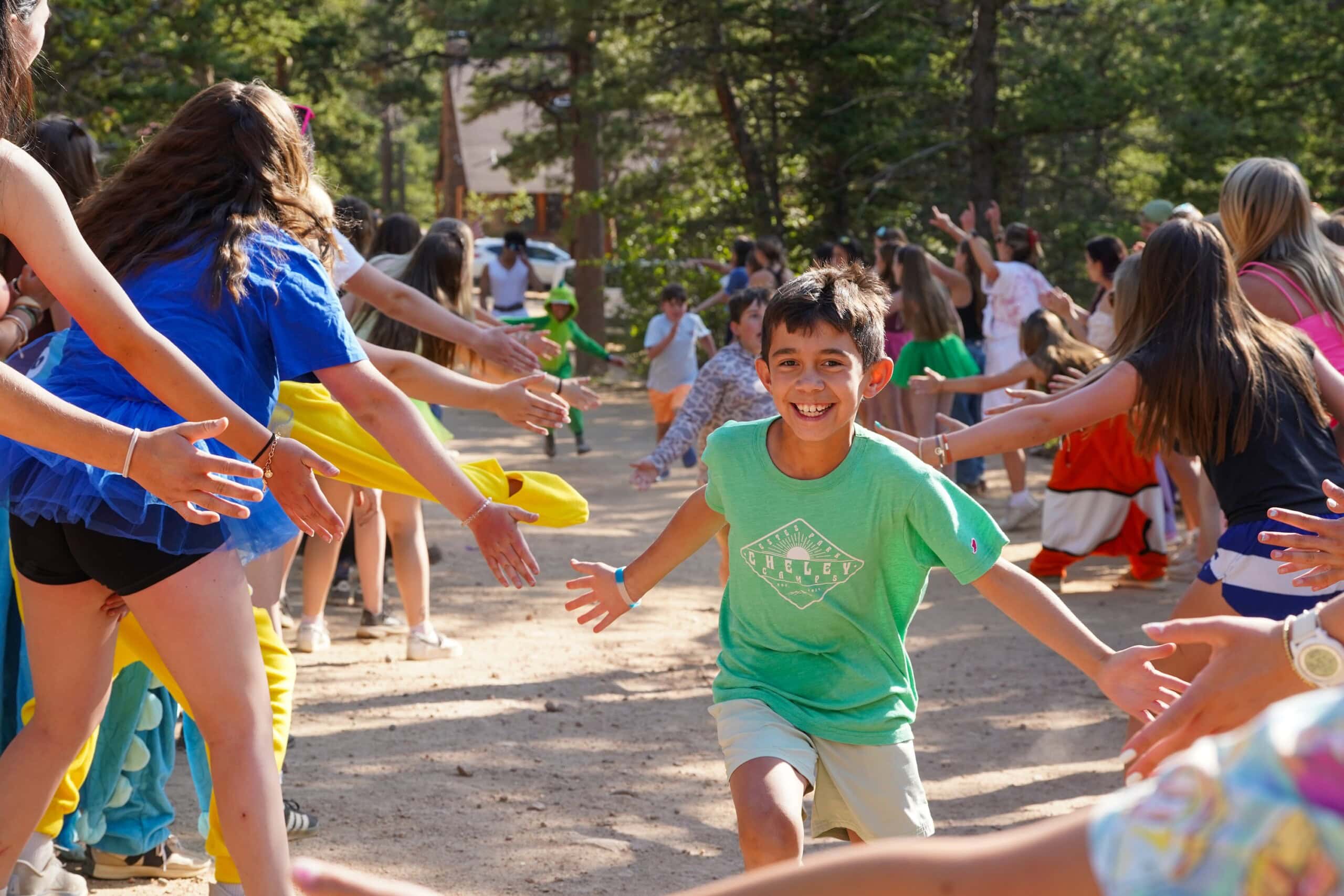
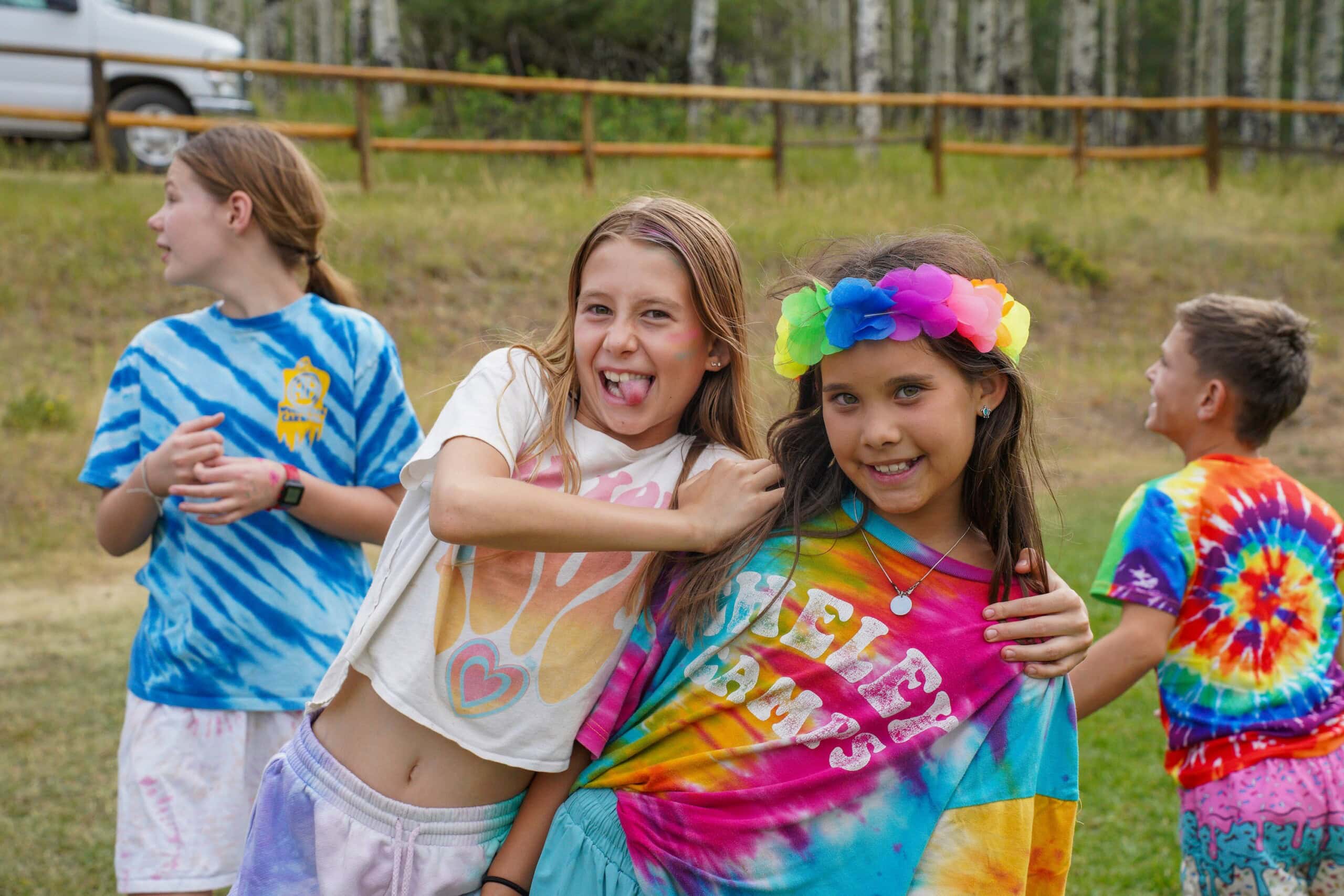
There is a loss in the separation
When you’re deeply involved in your child’s life, their absence leaves a space. The house may feel different. You may catch yourself wondering what they’re doing at that exact moment. You may refresh the Cheley Connection hoping for a photo and then study that photo much more carefully than anyone should probably study a single photograph.
Are they happy? Why aren’t they smiling? Who is standing next to them? Is that the same shirt they were wearing two days ago? And maybe, for a little while, we have to learn to live without the answers.
We want our children to grow up, and part of growing up means they gradually need us differently. All three of my children went to camp, and I remember how strange it felt to go home and wonder what their days were like. Those 27 days at camp give us a glimpse of what it feels like as our children grow up and begin to need us in different ways. We say goodbye, drive away, and trust that a community of people will care for our child while they begin building a life we can only see in glimpses. That takes some getting used to.
Our children need some experiences of their own
Of course, we want parents to know how their camper is doing. But there is a difference between being informed about your child’s well-being and participating in every part of their experience.
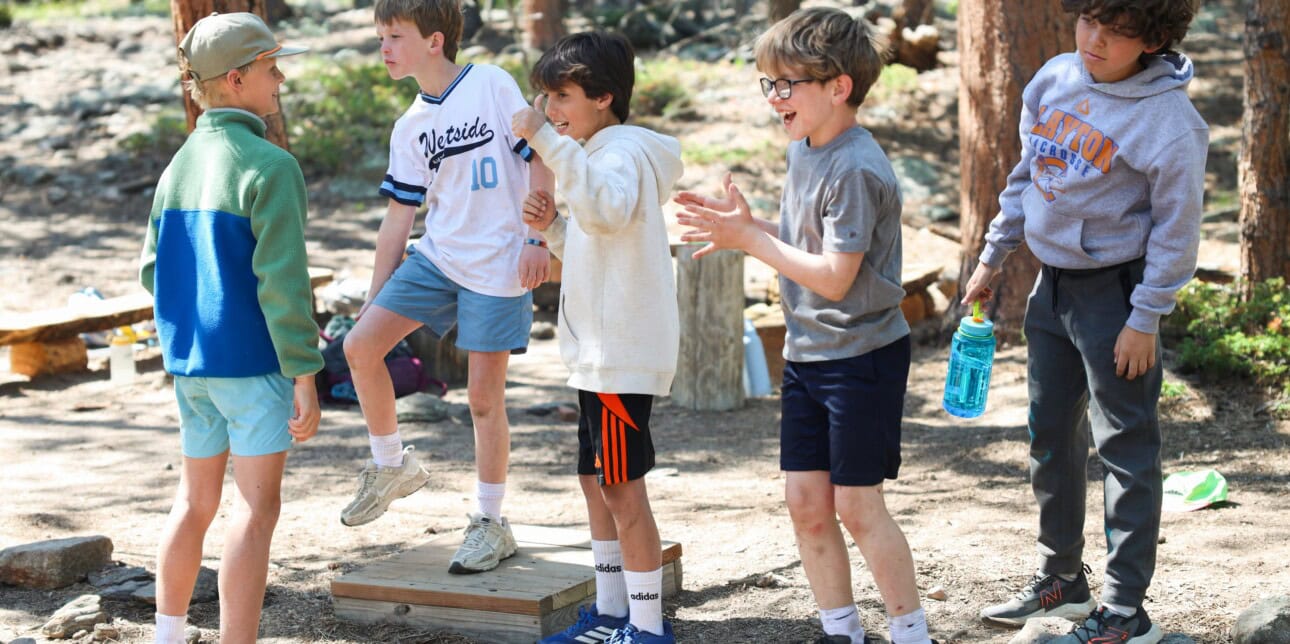
Camp gives children room to have stories their parents weren’t there for. They make choices at sign-ups. They manage their belongings. They figure out where to sit at a meal. They work through the awkward beginning of a friendship. They help clean up in the morning and share a story from their day during evening cabin or wagon time. They have disappointing days and really good ones. And when something is difficult, they have counselors and other trusted adults around them who can help.
Sometimes the story makes it into a letter home. Sometimes you hear it on Final Saturday. Sometimes it comes out months or even years later, when something at the dinner table reminds them of a person or a place at camp. It’s one of the ways you get to know the person they’re becoming.
Parents are practicing something, too
We often describe camp as a place where children practice independence. I think parents get some practice as well. We practice trusting other people to care for our children. We practice giving them time to work through a problem. We practice noticing when we’re looking for a little reassurance. And perhaps hardest of all, we practice loving people whose lives we’ll see a little less of as they grow up.
If something is weighing on you while your child is at camp, I hope you’ll reach out. And on an ordinary day when you just miss them, it’s natural to wish you could hear a little more about what they’ve been up to. I still feel that way with my own kids.
Ellie is a junior at TCU and will study abroad next semester. Kate is a freshman at the University of Miami. I still catch myself wondering how their day went, just like I did when they were at camp. Now there are more miles between us, and I’m getting used to hearing about their lives a little at a time.
It’s one reason I have so much empathy for every family saying goodbye to their child at Cheley. I’ve spent much of my life here, and I’ve seen just how much that goodbye can ask of parents. Sometimes giving our children space is one of the harder ways we show them how much we love them.
Your camper is having an experience away from you. And for a few weeks, you are having an experience away from them. And maybe that space is part of the experience, too.